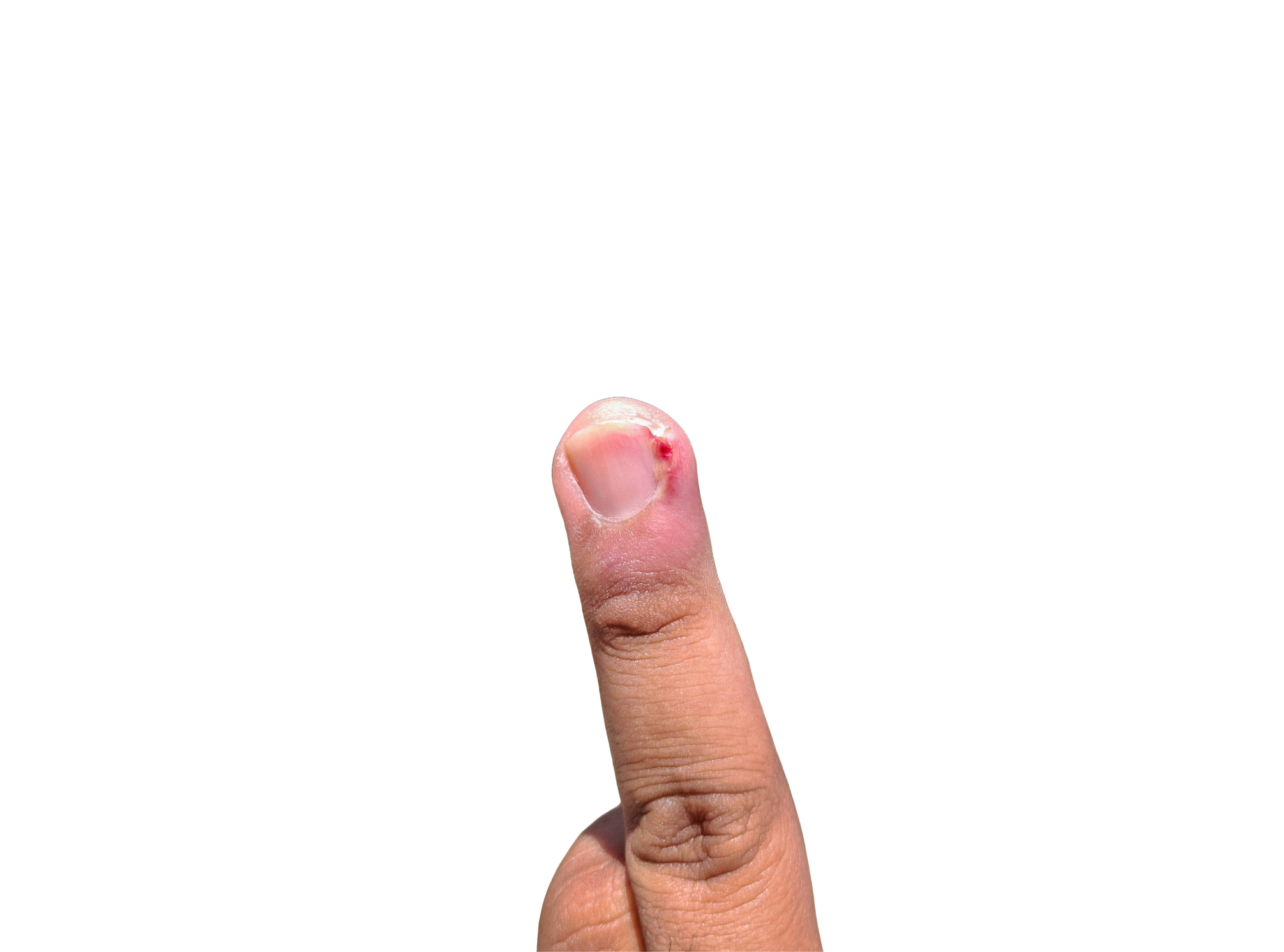
Ingrown nails most commonly affect the toes—in particular, the big toe—but it is possible to develop an ingrown fingernail. Bottom Line Personal asked dermatological surgeon Mariam Mafee, MD, of Rush University Medical Center, to explain.
What is an ingrown fingernail?
“Ingrown” means that the fingernail is growing into the surrounding skin, causing trauma to that skin and, in turn, discomfort and irritation. A break in the skin can allow bacteria to enter, setting the stage for an infection of the skin surrounding the nail called paronychia.
What causes a fingernail to become ingrown?
Some people are genetically more predisposed to ingrown fingernails than others because of the way their nails grow. Ingrown fingernails are more likely if you have the nail abnormality called pincer nail dystrophy—the fingernail has an overexaggerated curvature. The way you or your manicurist files your nails can also pose a risk for an ingrown fingernail—with squared-off nails, the sharp edges can more easily grow into the skin. Rounding or curving the nails can keep them from poking into the skin and causing an ingrown fingernail.
What to do…and not do
If you have an ingrown fingernail that’s irritated and uncomfortable but not infected and painful, soaking it for five to 10 minutes a day in a bowl of white vinegar diluted with an equal amount of water can help thanks to the vinegar’s antibacterial properties. Avoid adding insult to injury with irritating products such as acetone-based polishes and removers.
While you’re waiting for the nail to grow out, consider skipping manicures. Harsh treatment, such as cutting cuticles, can exacerbate your risk for the ingrown fingernail to become infected. Cuticles prevent bacteria from getting in and under the skin around the nail, so any trimming gives bacteria a pathway. For this reason, pushing back but not clipping cuticles is always recommended, ingrown fingernail or not.
When to see a dermatologist
There’s no reason to suffer through the discomfort of an ingrown fingernail. A dermatologist experienced in nails can provide relief with the right ingrown fingernail treatment. He/she might use tape to pull the skin away from the nail and keep the edge from digging into the skin while it heals.
It is particularly important to see a dermatologist if you have any signs of an infected ingrown fingernail, such as pain, swelling, redness and possibly fever. Treatment likely will include an oral antibiotic and possibly incision and drainage of pus.
If you have an ingrown fingernail that’s throbbing or if the fingertip is sensitive to even the lightest touch, you could have an abscess with trapped pus. Don’t try to drain an abscess yourself—this can introduce more bacteria to the area and cause even more pain. A doctor will not only treat it thoroughly but also numb the area before draining for less discomfort.