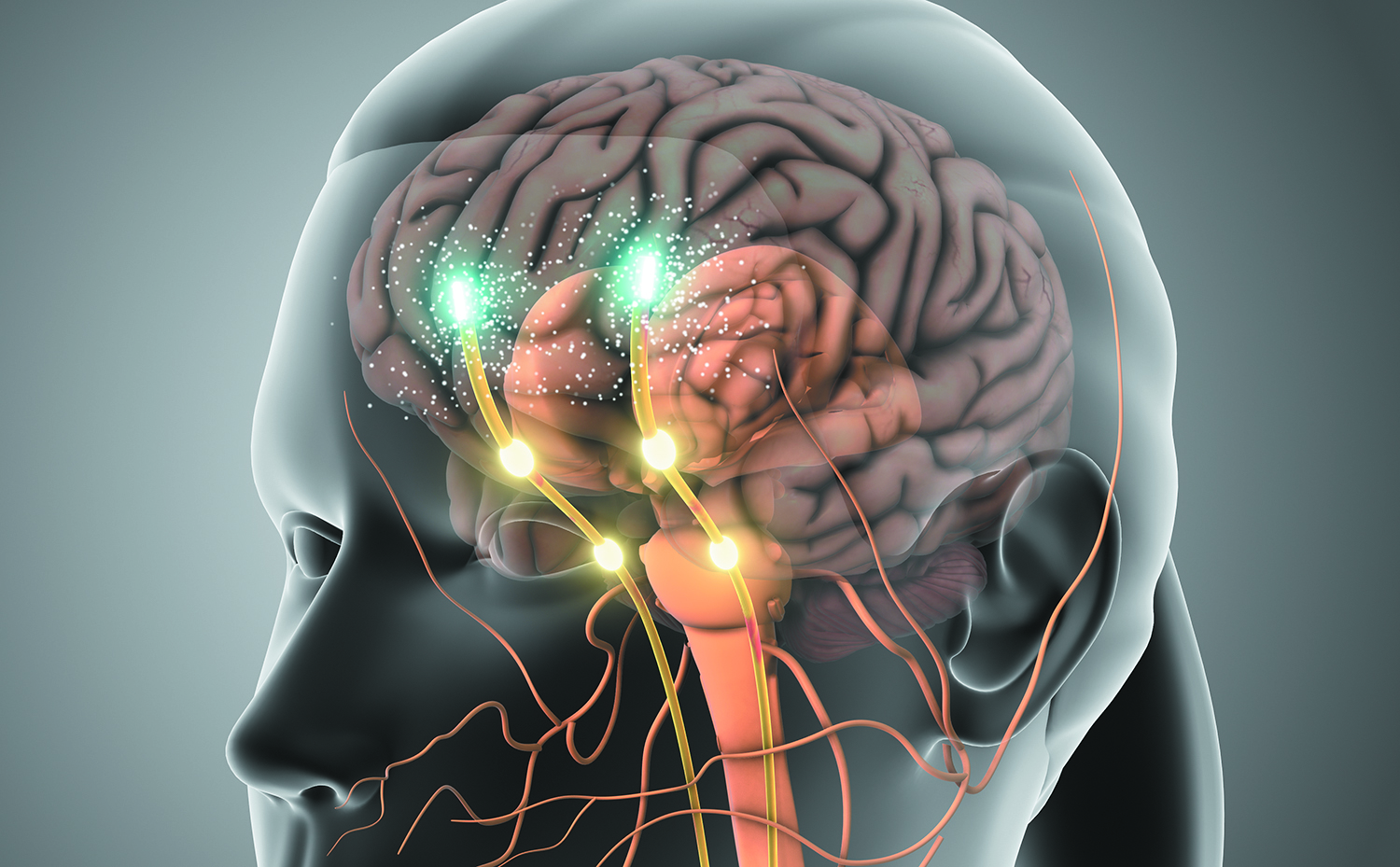
Dopamine is one of the body’s true multitaskers. It’s a neurotransmitter, a chemical messenger that carries signals from one nerve cell to another. The brain produces dopamine to deliver messages from nerve cells in the brain to cells throughout the body. Dopamine is also a hormone. Along with the hormones epinephrine and norepinephrine, dopamine affects how the body responds to stress (the “fight or flight” response) and other stimuli.
What Does Dopamine Do?
As a neurotransmitter, dopamine is critical to healthy movement, memory, behavior, attention, sleep and arousal, mood, learning, and other functions. Dopamine also plays a key role in the brain’s “reward center,” a network of regions and pathways that drive how you feel pleasure and motivate you to repeat behaviors that will help you experience that pleasure again.
In its hormone role, dopamine helps blood vessels relax and constrict. It’s also involved in regulating body salts, reducing insulin production, slowing digestion, and reducing immune system activity.
Dopamine vs. Serotonin
Another common neurotransmitter that is a workhorse like dopamine is serotonin. Both are produced in the brain. And like dopamine, serotonin is involved in mood regulation and behavior, but it’s also critical in regulating sleep and appetite, and helping with digestion.
Dopamine deficiency is associated with apathy and lack of motivation, while low levels of serotonin may lead to insomnia and mood disorders such as anxiety and depression.
Is Dopamine Addiction Real?
The idea that you can be addicted to dopamine has been around a long time. But dopamine addiction isn’t actually a condition. What’s really going on is that a person might become addicted to a particular substance or behavior that leads to big surges of dopamine and other feel-good chemicals, such as endorphins.
One reason sugary foods are so addictive, for example, is because they trigger the release of a large amount of dopamine. But plenty of healthy behaviors can lead to temporary bumps in dopamine levels, too. Research suggests that cuddling a baby and playing with a pet are among many activities that cause a spike in dopamine production.
Dopamine Deficiency and Excess
While dopamine levels rise and fall throughout the day, certain medical conditions are specifically associated with consistently high or low levels of this chemical workhorse. Dopamine deficiency, for example, is associated with attention deficit hyperactivity disorder (ADHD), Parkinson’s disease, and restless legs syndrome. High levels of dopamine are associated with mania, obesity, and addiction.
Various medications can help block the activity of dopamine if levels are too high, or mimic dopamine if levels are too low. A common treatment for Parkinson’s disease is the combination of medications levodopa and carbidopa. When levodopa reaches the brain, it is converted into dopamine. Carbidopa helps prevent the premature breakdown of levodopa in the body, ensuring that it reaches the brain. Stimulants used to treat ADHD work in part by stimulating dopamine activity in the brain, which improves attention and concentration.
How to Increase Dopamine
You can take some steps to support healthy dopamine levels in your body, too. A diet rich in magnesium and the amino acid tyrosine may help. Adopt an eating pattern that contains foods such as poultry, almonds, green leafy vegetables, apples, bananas, sesame and pumpkin seeds, tomatoes, and oatmeal.
Healthy activities that make you feel happy, rewarded, and relaxed may help, too, if you can do them on a regular basis. Try things like exercise, meditation, walking in nature, reading a book, and listening to your favorite music.