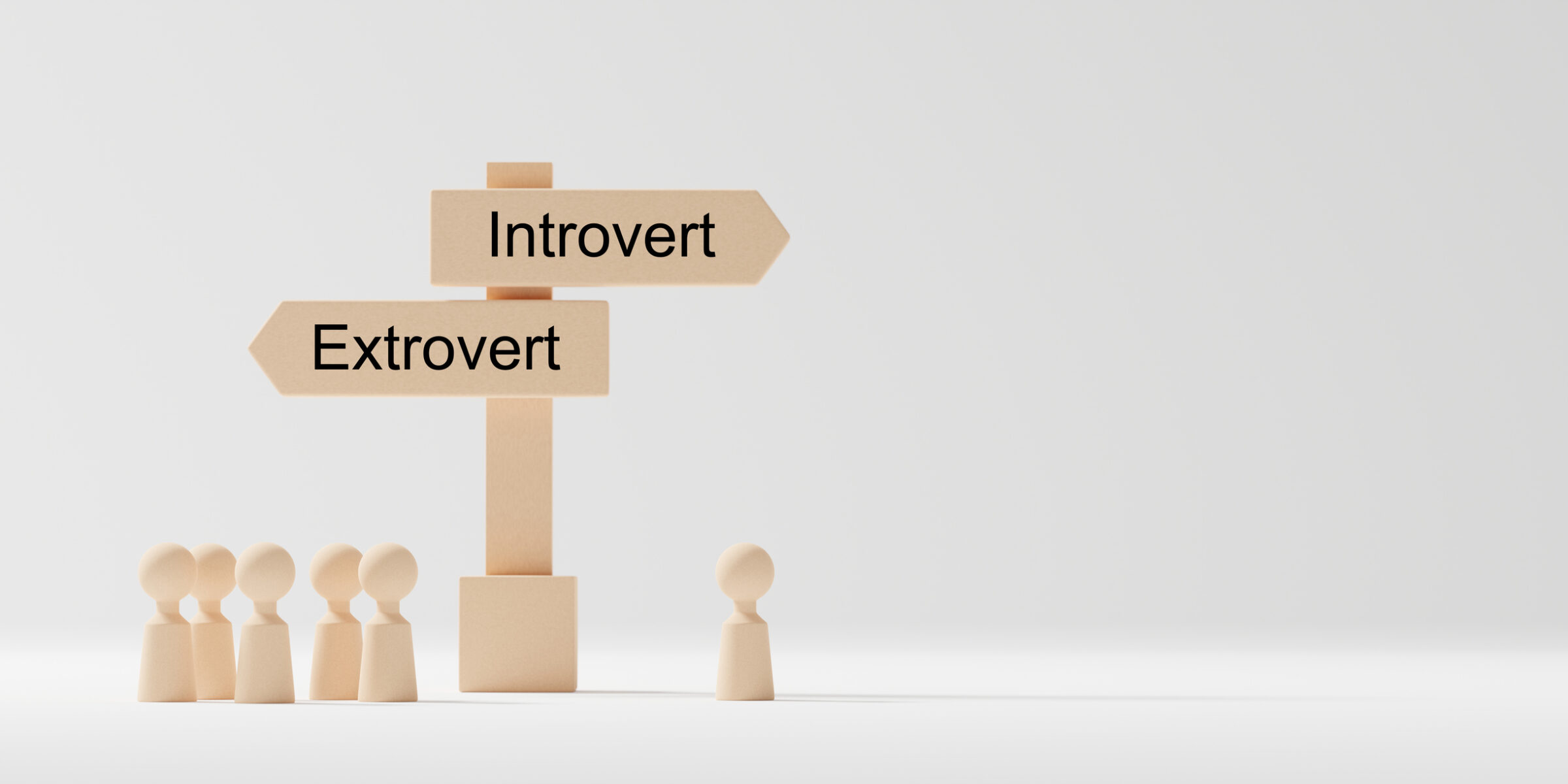
People who have outgoing, life-of-the-party, extrovert personalities tend to be envied and extoled, while people who have an introvert personality might be overlooked or even looked down on. But even though the terms introvert and extrovert are widely used, these personality types often are misunderstood.
Bottom Line Personal asked psychologist Dan Rosenfeld, PhD, author of The Confidence Equation: Three Keys to Unleashing Self-Confidence as an Introvert, to explain the pros and cons of being an introvert and how introverts can best navigate the world that sometimes seems slanted in extroverts’ favor…
Introvert vs. Extrovert
The principal difference between introverts and extroverts isn’t their social skills or confidence levels—it’s what energizes them…
- Introverts feel drained by socializing, especially in large groups, and reinvigorated by time spent on their own.
- Extroverts find social situations energizing and time alone draining.
Think of it this way—we all have rechargeable batteries that keep us going, but the thing that some people require to recharge their batteries is precisely what drains the batteries of others. It is no wonder that introverts and extroverts struggle to understand each other.
Introversion is not the same as shyness. Shyness is a fear of putting oneself into uncomfortable social situations and/or of self-expression. Introverts don’t fear social situations…they just find them draining. Some introverted people also are shy, of course, but there are introverts who have tremendous social confidence. These socially confident introverts don’t fit the widely held introvert stereotypes. In fact, if you encountered one at a party, you might not even realize that he was introverted, especially if you met him shortly after he arrived. But after an hour or two of socializing, this gregarious introvert is likely to be mentally drained and ready for some alone time.
Worth noting: Most people aren’t entirely introverts or extroverts. Introversion and extroversion exist on a continuum, and most of us fall somewhere between the two extremes. People who land relatively near the middle of this spectrum sometimes are called “ambiverts,” though this term has not yet widely caught on.
Chances are you have a pretty good sense of where you land on the introvert vs. extrovert continuum, but if you want more clarity, consider taking a personality test, such as the Myers-Briggs Type Indicator.
Five Advantages of Introversion
Being an introvert can create professional and personal challenges, but it also comes with certain benefits…
Excellent listening and empathy skills
A 2018 study by Yale researchers concluded that introversion is correlated with an increased ability to understand other people and better intuition about what other people need. It might seem counterintuitive that introverts—people inclined to spend time on their own—would be great at listening to and empathizing with others, but introverts excel at one-on-one interactions. It is big groups that they often find overwhelming. Many extroverts, on the other hand, lapse into the bad conversational habit of waiting to say what they think rather than truly listening to what the other person is saying.
Above-average creativity and problem solving
Highly creative people are more likely to be introverts than extroverts, according to several studies, including a meta-analysis of research by a psychologist at College of William & Mary. One potential explanation: Introverts are more likely to spend time on their own thinking independently, whereas extroverts’ avoidance of independent time might leave them vulnerable to uncreative groupthink.
Thoughtful nature
Introverts are more likely to take time to deeply consider topics before voicing their opinions. That reflection increases the odds that their opinions will have merit.
Strong risk-analysis abilities
Extroverts are significantly more likely to engage in risky behaviors than introverts, according to a 2024 meta-analysis by French researchers and other studies. Possible reason: Introverts’ naturally thoughtful nature allows time to consider the upside and downside of decisions before taking the leap…while extroverts’ natural preference for new and novel experiences can be correlated with taking risks they haven’t fully weighed. Notably, a study published in American Journal of Psychiatry found that introversion is associated with increased blood flow to the frontal lobe—the part of the brain that handles reasoning and impulse control.
Willingness to acquire skills
With many skills and goals, such as learning a musical instrument or writing a novel, achieving greatness—or even competence—requires investing long hours in a largely solitary effort. So it is no surprise that introverts tend to be more willing than extroverts to spend those endless hours pursuing such goals.
Strategies for Introverts
If you’re an introvert, the single most important life strategy is to accept that you’re an introvert. Introverts who fight against their natural introversion cause themselves unnecessary discomfort and ultimately fail. An introvert will never become an extrovert—human personalities simply don’t change that dramatically. If anything, both introverts and extroverts are likely to become slightly more introverted as they age, according to a study by researchers at the National Institute on Aging, though not so much that extroverts become full-blown introverts.
To minimize the challenges that come with being an introvert: Try to get a sense of how much time you can spend in social situations before you feel completely depleted. Then take whatever steps you can to structure your life and schedule accordingly. Most introverts discover they can cope with social situations relatively well as long as those situations don’t last too long and there’s adequate time to recharge before the next group gathering. Example: If you’re attending a big weekend-long wedding, determine which key events you can’t miss, then give yourself permission to skip the less important gatherings scheduled for immediately before and after those. That way, you’ll feel recharged and at your best when it’s most important.
When you have no choice but to spend time in a group when you’re already depleted, try to transform that group setting into a semi-private one. Seek out someone who seems to be alone in the group—perhaps someone standing by him- or herself near the group’s periphery—then engage that person in a one-on-one conversation. Also helpful: Position yourself so you’re looking away from the crowded room.
If spending time in social settings causes you significant stress—something that’s likely if you’re both introverted and shy—consider adding meditation or mindfulness training to your daily routine. While this training won’t make you any less introverted, it can improve your ability to remain calm in potentially stressful situations. Even a simple 10- to 20-second breathing exercise could significantly reduce the feeling of being overwhelmed.