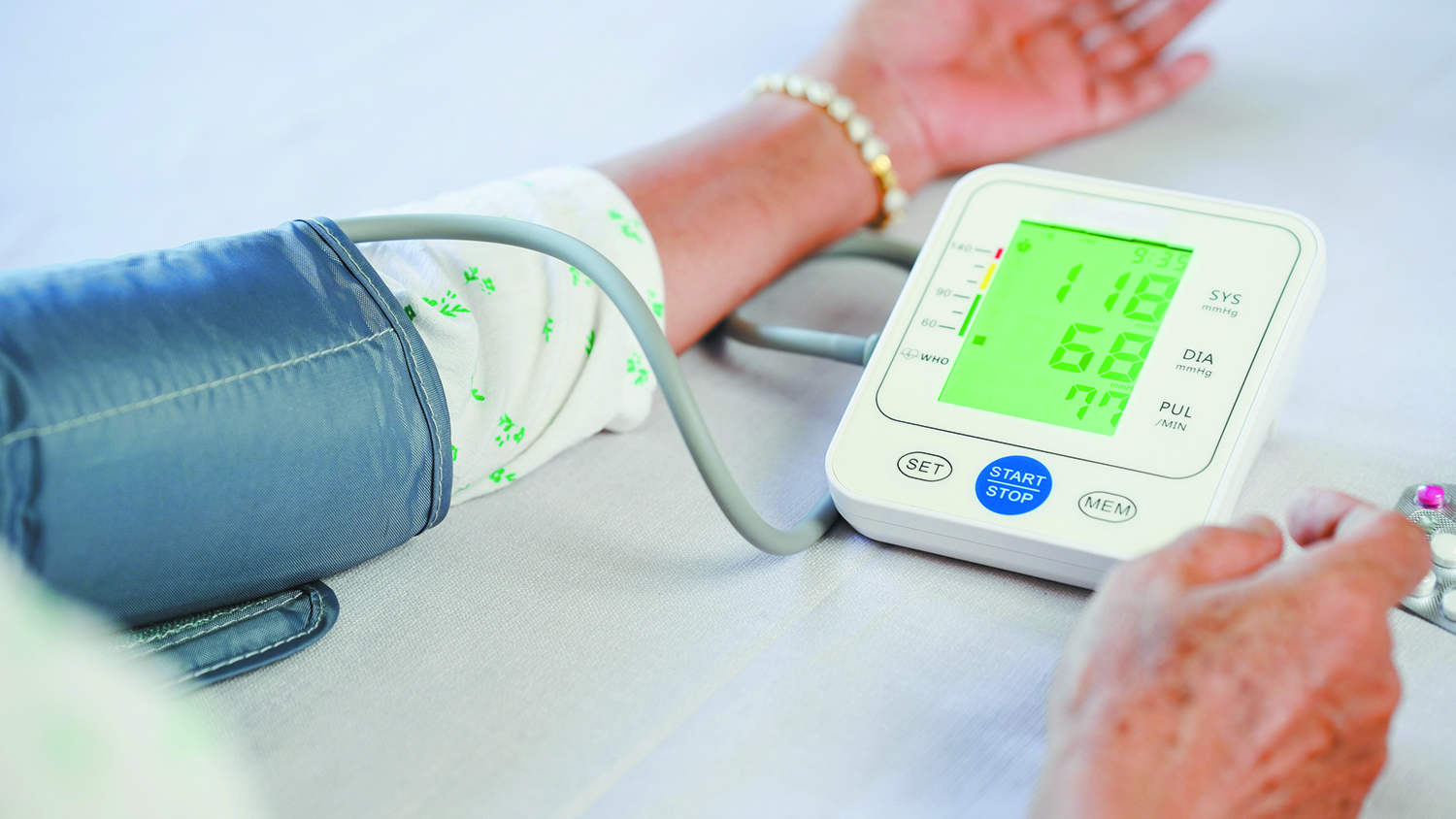
Whenever you have your blood pressure measured at your doctor’s office, the reading you receive includes two numbers, reflecting your systolic and diastolic pressures. But have you ever wondered about the difference between systolic vs. diastolic blood pressure?
In simple terms, they represent the pressure in your arteries during different points of a heartbeat. Regardless of the definition, it’s important to understand that blood pressure is a complex, ever-changing variable that can have a major impact on the health of your heart and blood vessels. Blood pressure that is higher than normal (hypertension) is the most significant risk factor for cardiovascular disease (CVD) worldwide.
“For every 20 points that blood pressure rises over 120/80 millimeters of mercury (mmHg), the risk of heart attack and stroke doubles,” says Cleveland Clinic preventive cardiologist Luke J. Laffin, MD.
Unfortunately, only about one-third of individuals with hypertension in the United States know they have it. That’s because the first symptom of high blood pressure may be a stroke or heart attack.
“That’s why it’s important to know what your blood pressure is and what it should be,” he says.
Systolic vs. Diastolic Pressure
Most people think of a heartbeat as a squeeze, but it’s actually a double movement that repeats thousands of times a day: squeeze and release, squeeze and release, squeeze and release. Blood pressure is measured during both aspects of the heartbeat.
- Systolic pressure measures the force of blood against artery walls when the heart contracts (beats). It is given as the first, and higher, of the two numbers.
- Diastolic pressure is the force of blood when the heart is relaxing and refilling with blood between contractions. It is presented as the second, and lower, number.
In the United States, a blood pressure reading of 120/80 mmHg or less is considered normal. However, the point at which any individual’s blood pressure becomes dangerous is unknown.
“Blood pressure is a continuum of risk. Although blood pressures around 120/80 mmHg generally do not cause CVD, readings between 130/80 mmHg and 140/90 mmHg are probably too high for people at elevated risk for CVD,” says Dr. Laffin.
Stages of Hypertension
| Blood Pressure Category | Systolic Pressure | Diastolic Pressure |
| Elevated | 120–129 mmHg | Less than 80 mmHg |
| Hypertension Stage 1 | 130–139 mmHg | 80–89 mmHg |
| Hypertension Stage 2 | 140 mmHg or higher | 90 mmHg or higher |
| Hypertensive Crisis | 180 mmHg or higher and/or | 120 mmHg or higher |
The Impact of Age on Arteries
As you grow older, your arteries tend to accumulate fatty plaque from atherosclerosis. This process may make these blood vessels stiff. When more oxygenated blood is required, your arteries may not be able to expand well enough to deliver it, thereby causing blood pressure to rise. As your arteries grow stiffer over time, your blood pressure rises gradually.
“If you don’t do something about your blood pressure when it starts to rise, it will continue to go up,” says Dr. Laffin. “Eventually, you will suffer the consequences.”
Changes in Blood Pressure
Many factors can cause your blood pressure to rise, including cold weather, pregnancy, anxiety, salty foods, and certain medications. Fluctuations over the course of a day are not necessarily cause for concern. “It’s sustained elevations in blood pressure—hypertension—that leads to heart attacks and strokes,” Dr. Laffin says.
Systolic vs. Diastolic Heart Failure
High systolic pressure and high diastolic pressure can lead to heart failure, or the inability of the heart to meet the body’s demands for oxygenated blood. When this occurs from damage to the heart muscle caused by a heart attack, it is called systolic heart failure. A large number of medications, procedures and devices are available to help the heart pump more forcefully.
High blood pressure also can damage the heart muscle by making it too stiff to expand between contractions. This condition is called diastolic heart failure. Drugs known as SGLT2 inhibitors—including dapagliflozin (Farxiga), empagliflozin (Jardiance) and sotagliflozin (Inpefa)—have been shown to reduce the risk of cardiovascular death from diastolic heart failure.
Watching Your Blood Pressure
Your blood pressure is so important that it should be checked at every visit to your doctor’s office. If your blood pressure is above normal or rising, your doctor will probably put you on antihypertensive medications and recommend you make certain lifestyle changes. These behavioral changes may include eating a low-sodium diet, increasing your exercise, avoiding smoking, losing weight, lowering stress and getting seven to eight hours of quality sleep every night.
“Medications and lifestyle modifications have a complementary effect on lowering blood pressure. You can’t choose one or the other,” says Dr. Laffin.
That being said, lifestyle changes may lower blood pressure enough that less medication will be needed to keep your blood pressure in check.
“Managing your blood pressure should be a top priority for your health. It’s not a case of lowering your systolic vs. diastolic pressure, because both are important,” Dr. Laffin emphasizes. “Work with your physician to create a plan for keeping your blood pressure under control, and follow it to the letter. This increases the likelihood you will be rewarded with a longer life and better quality of life.”