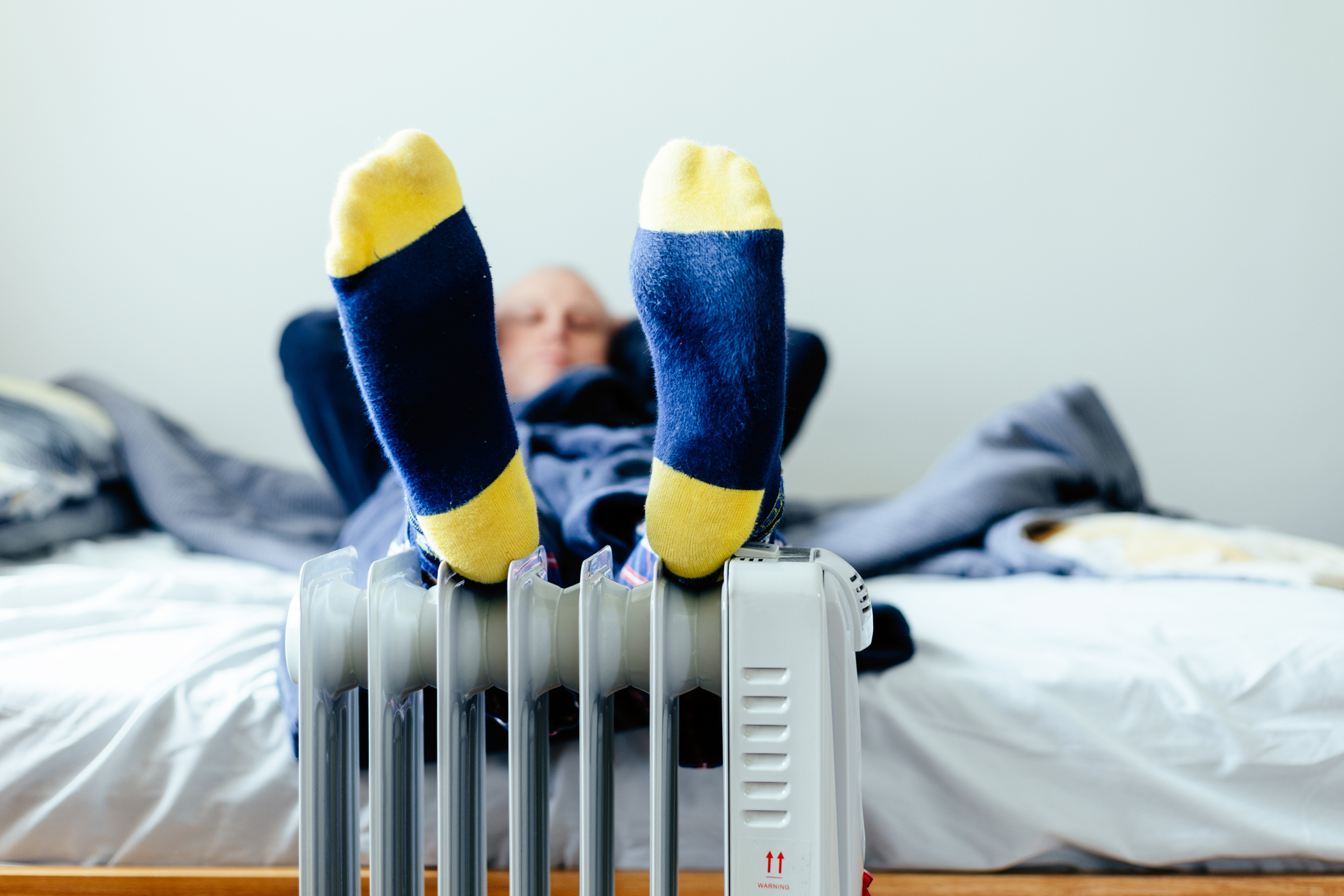
Do you wonder, why are my hands always cold…or why are my feet always cold? Having cold hands and feet occasionally, especially when the weather is chilly, is normal. But if this happens all the time, it may be a sign of an underlying—and possibly treatable—medical condition. Dr. Khalid Zalmay of London’s Royal College of General Practitioners explores some of the key causes and explains when it may be time to see your doctor.
Poor circulation
Some people have blockages or narrowing within the arteries that supply blood to their hands and feet. Known as peripheral arterial disease (PAD), usually the first symptom is pain in your lower legs, especially when exercising or doing another activity, that usually improves with rest. People also may experience sensations of cold or numbness in their hands and feet. Consult your doctor if you suspect you have this condition—tests to assess blood flow to your legs can aid in diagnosis. Treatment often is a combination of lifestyle changes and medications. Regular exercise and keeping your cholesterol in the healthy range are vital to keep symptoms under control. And if you are a smoker, stop smoking. There also are medications to improve your blood flow, and in severe cases, surgery to widen the arteries with stents or bypass them may be an option.
Diabetes
People with diabetes may experience neuropathy when high blood sugar levels cause damage to nerves. This can present as feeling cold, burning and tingling sensations in the feet. As the nerve damage progresses, people with diabetes are more prone to foot numbness and may fail to notice cuts and ulcers on the feet. If you suspect you have diabetes: Get tested for confirmation and then keep your blood sugar under good control. Also see your health-care provider for a yearly check-up of the nerves in your feet.
Raynaud’s Syndrome
People with Raynaud’s often experience cold fingers and toes and even numbness. Fingers and toes also may look pale or blue temporarily. Raynaud’s is common, and symptoms usually improve when you warm your hands and feet. If you have Raynaud’s Syndrome: Avoid quick temperature changes…wear gloves…and keep your feet warm, especially in the winter months. In very rare cases, there can be an underlying cause such as an autoimmune condition, certain medications (beta-blockers) or long-term use of vibrating tools. Talk to your health-care provider.
If you have persistent cold hands and feet: Speak to your doctor who can investigate and rule out some other less common conditions such as thyroid dysfunction.