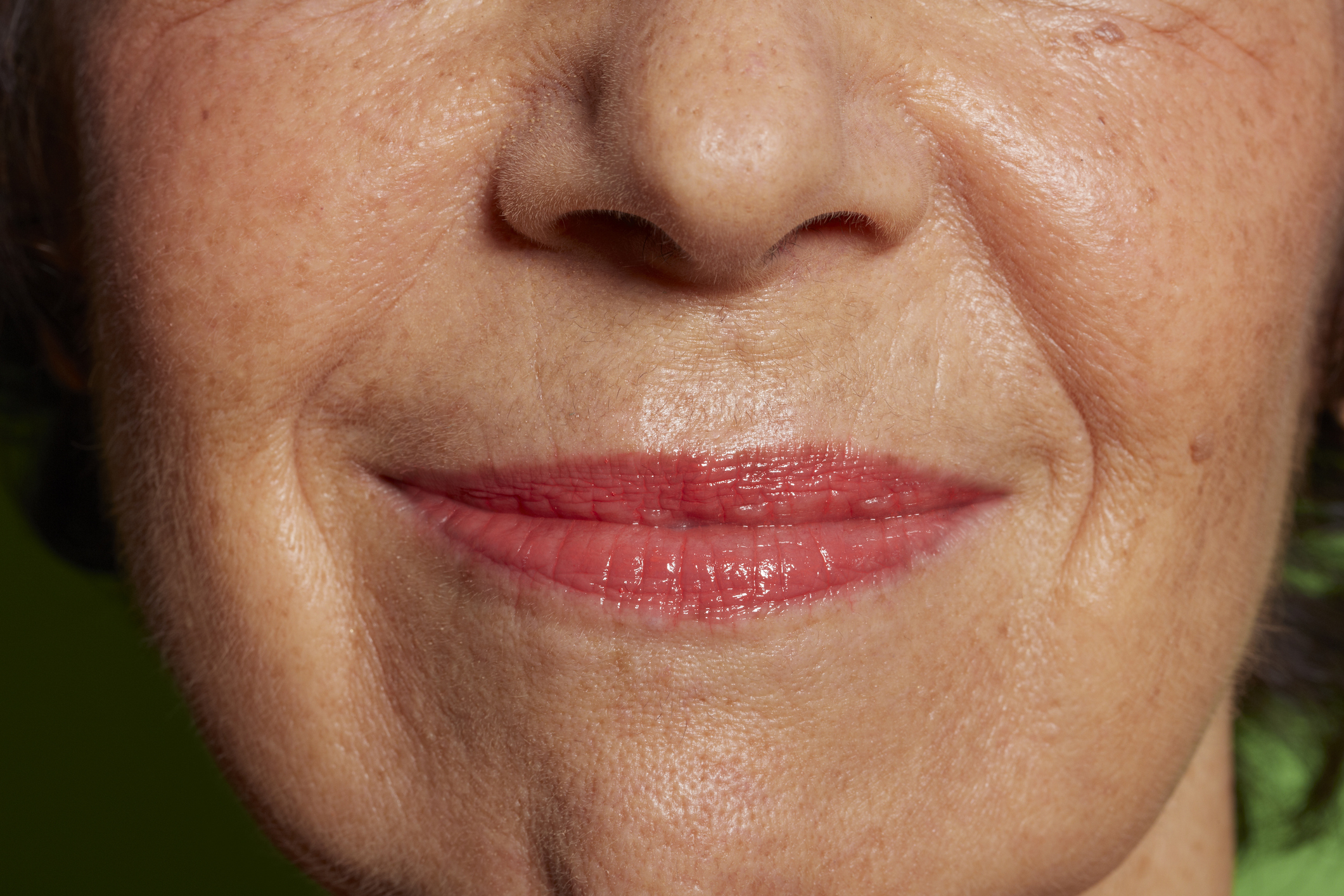
Our lips and eyes twitch for many reasons…some serious, others largely innocuous. Bottom Line Personal asked neurologist J. Antonelle de Marcaida, MD, to walk us through some of the common causes of facial muscle twitching—bottom lip twitching, upper lip twitching, and eyelid twitching—tremors, tics and spasms to understand what might be causing your unintentional lip movements….
- Myokymia
- Tremors
- Tics
- Dyskinesia
- Facial synkinesis
- Hemifacial spasms
Myokymia is a gentle continuous rippling of muscles under the skin that might last just a few seconds or significantly longer. It occurs most commonly in eyelid muscles but also can occur in muscles near the lips or elsewhere in the body. Common causes of myokymia: Excessive caffeine consumption, stress or fatigue. Less common cause: Potassium deficiency. Myokymia generally ceases once the caffeine is out of the system, stress or fatigue levels are reduced, or potassium levels increase.
Tremors are rhythmic, involuntary shaking or trembling movements of a body part, such as the hand or the head. A mild tremor of the jaw, however, could be experienced as lip twitching. Tremors can be a side effect of certain medications, most notably certain antipsychotics and antidepressants. They also can be caused by alcoholism…certain metabolic conditions such as hypothyroidism and hypoglycemia…and certain neurodegenerative conditions, such as multiple sclerosis or Parkinson’s disease. Helpful: If jaw tremors are an early symptom of Parkinson’s disease, other symptoms could include hand tremors, a slowing of the gait and/or a slowing of other movements such as reduced typing speed or difficulty tying shoelaces.
Tics are sudden, seemingly purposeful movements that repeat in patterns. Tics typically begin in childhood and could involve the lips, eyes or another part of the body. Tics generally are associated with the neurological disorder Tourette syndrome, but there also are “benign tics” not associated with Tourette syndrome. If bothersome, both benign tics and Tourette tics can be treated with various medications, primarily dopamine blockers or depleters.
Dyskinesia are irregular involuntary muscle movements that might look like fidgeting. A variety called tardive dyskinesia often involves movements of the muscles of the face, potentially including the lips and eyes. Dyskinesia most often is a side effect of medications including certain antipsychotics and antidepressants.
Facial synkinesis is involuntary facial movements that occur when making intentional facial movements, such as unintended lip movement that occurs when intentionally blinking the eyes. Facial synkinesis occurs as the facial nerve recovers following temporary paralysis of the face, such as that caused by Bell’s palsy, a common condition related to inflammation of the seventh cranial nerve that causes one-sided facial paralysis.
Hemifacial spasms involve twitching muscles on just one side of the face, potentially including lip twitching and eyelid blinking. The spasms can be caused by a blood vessel pressing against the seventh cranial nerve, but they also could be caused by something else affecting this nerve, such as a demyelinating lesion related to multiple sclerosis or a tumor. Unlike with facial synkinesis, this twitching does not follow a period of facial paralysis. Regardless of the cause, hemifacial spasms are best treated with botulinum toxin injections into the twitching muscles. But if a blood vessel is found to be pressing on the nerve, microvascular decompression surgery is another option (brain surgery).