Are you cold even though your environment isn’t? Do you frequently feel fatigued? You might think you’re feeling under the weather because of a cold or flu.
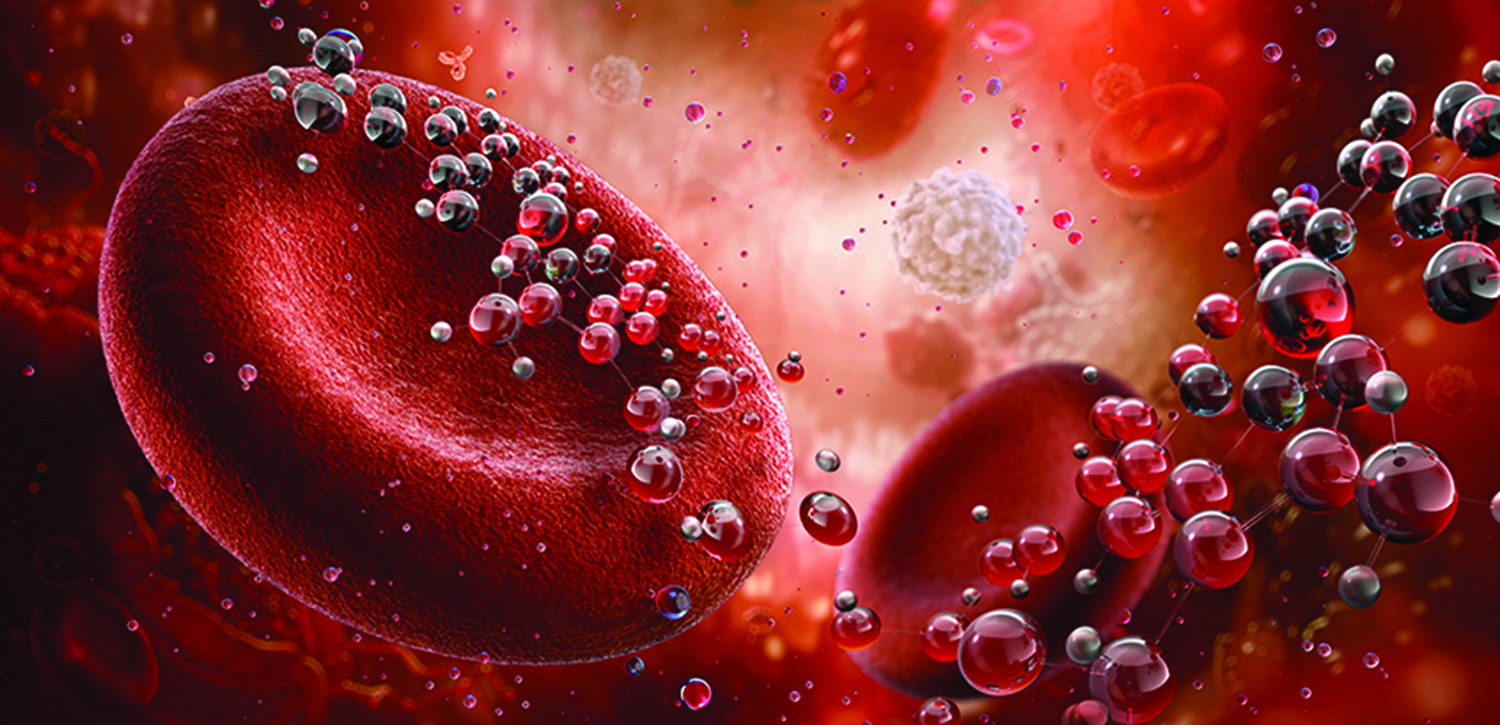
Fact is, the problem might be originating much deeper in your body, at a cellular level—red blood cells, to be exact. You could be exhibiting signs of anemia.
“Anemia is hugely common,” says Alan Lichtin, MD, a Cleveland Clinic hematologist. “Anemia is a symptom. A lot of disorders can cause anemia, and they need to be evaluated.”
What Is Anemia?
Anemia is a deficiency in the total number of red blood cells you have circulating throughout your body. In certain types of anemia, the red cells are broken down faster than they’re produced or they become dysfunctional.
“The bottom line is you have less hemoglobin circulating around to help distribute oxygen or pick up oxygen in the lungs and distribute it to the tissues in the body,” Dr. Lichtin says.
Data suggest that about 3 million people in the United States have anemia. Anemia in women is more common, with a prevalence of about 13%, according to the Centers for Disease Control and Prevention (CDC). However, although anemia is less common in men (affecting only 5.5% of all men), that prevalence rises to nearly 13% among men ages 60 and older, the CDC notes.
“A lot of older men are on blood thinners, so there’s a higher risk of bleeding from the intestinal tract,” Dr. Lichtin says. “As you get older, you have more heart operations, more abdominal operations, and they can deplete you of red blood cells just by bleeding. So there are many reasons for anemia.”
Why It’s Important to Recognize Signs of Anemia
While some people are born with it, anemia usually develops over time and comes on gradually and insidiously, Dr. Lichtin says. Left untreated, it can become severe enough to cause several potentially life-threatening complications, such as heart attack, stroke, abnormal heart rhythms (arrhythmias), and heart failure. Chronic, severe anemia can adversely affect cognitive and immune system function and cause extreme fatigue, which can make it impossible to complete everyday tasks.
Anemia may result from several medical conditions, such as certain cancers and cancer chemotherapy, as well as chronic kidney disease, severe liver disease, thyroid dysfunction (both hypothyroidism and hyperthyroidism), celiac disease, inflammatory bowel disease, and rheumatologic and autoimmune disorders.
Among some men, particularly older men, testosterone deficiency can cause anemia. “I wouldn’t say it’s the most common reason for men to have anemia, but it’s something that should be kept in mind,” Dr. Lichtin says.
Iron-deficiency anemia, the most common type of anemia, may be a sign of bleeding somewhere in the body, such as from stomach ulcers or colon polyps. It also can occur due to problems with iron absorption in the intestinal tract caused by taking certain medications (e.g., proton pump inhibitors used to treat acid reflux disease) or conditions like celiac disease.
So, notice any changes in your body and recognize any signs of anemia, not only to identify these underlying medical conditions and prevent serious complications, but also to address treatable causes of anemia. For instance, anemia is often caused by correctable deficiencies in not only iron, but also vitamin B12 and folic acid (vitamin B9). Oftentimes, addressing and correcting these underlying causes can resolve anemia and improve your quality of life.
“If you’re found to be anemic, get it evaluated,” Dr. Lichtin says. “Don’t just say, “I’m not going to do anything,’ because there are certain causes you want to catch early.”
Top 10 Signs and Symptoms of Anemia
While anemia itself is a symptom of an underlying disorder, it may present in a number of ways, offering these warning signs and symptoms:
- Fatigue and weakness
- Pale or yellowish skin
- Shortness of breath
- Dizziness or lightheadedness
- A rapid or irregular heartbeat/palpitations
- Headaches
- Feeling cold/cold hands and feet
- Brittle nails or hair loss
- Chest pain
- Unusual cravings (pica)
When to See a Doctor
If you persistently have one or more signs of anemia, especially if they’re diminishing your quality of life, see your primary care doctor for an evaluation.
“A lot of primary care doctors can do an excellent anemia evaluation,” Dr. Lichtin says. “But, if the primary care doctor is starting a workup, can’t quite figure out what’s wrong and questions whether a bone marrow disorder is occurring, you need a hematologist to get involved with those kinds of evaluations.”
How Anemia Is Diagnosed
Your physician will review your symptoms and medical history and order a complete blood count (CBC). Your CBC results will include these and other measures:
- Red blood cell (RBC) count, the total number of oxygen-carrying cells
- Red cell indices, such as mean corpuscular volume (MCV, an important measure of the average size of RBCs) and mean corpuscular hemoglobin (MCH, the amount of hemoglobin in RBCs)
- Hemoglobin (Hb), the total amount of the oxygen-carrying protein in your blood
- Hematocrit (Hct), the percentage of red cells in your blood
- White blood cell (WBC) count, the total number of infection-fighting cells
- WBC differential, a breakdown of the types of WBCs
- Platelets, which help blood clot.
Another important test is the reticulocyte count, which assesses your bone marrow’s response to anemia and whether it tries to create new, fresh red blood cells (reticulocytes).
“Everyone who’s anemic should have an MCV and a reticulocyte count,” Dr. Lichtin advises. “Those are the two bread-and-butter tests. Once you have those results, then you can start thinking about iron levels, B12, folic acid, or looking for cancer-related abnormal proteins or cells.”
Additionally, some physicians, including Dr. Lichtin, recommend fecal occult blood tests to help identify gastrointestinal bleeding that may contribute to anemia.
“If someone is iron-deficient and they have blood in their stool, the treatment is not just to give them iron,” he says. “You have to figure out where they’re bleeding. You can’t just treat anemia and think you’re scot-free. You have to figure out why they’re anemic and get to the root cause.”
Next Steps: Anemia Treatment
Treatment for anemia depends on the type and underlying cause. For some individuals with anemia from renal insufficiency or chronic diseases who have low levels of erythropoietin (EPO, a hormone that stimulates red blood cell production), synthetic EPO can be prescribed.
Addressing deficiencies in iron, vitamin B12, and folic acid through diet and, if necessary, supplementation often may be enough to correct anemia and alleviate symptoms.
“If you can figure out why you’re anemic, treat the root cause, replace whatever you’re missing and you get better, you might not need to see a hematologist,” Dr. Lichtin says. “The earlier you get treated, usually, the better quality of life you’ll have.”
- Don’t ignore signs of anemia. Get an evaluation from your primary care physician; if necessary, seek a referral to a hematologist.
- Work with your healthcare team to address treatable or reversible causes of anemia, such as low testosterone, thyroid dysfunction, nutritional deficiencies, and celiac disease.
- Ask your doctor if any medications you take—for example, stomach acid-reducing drugs like antacids and proton pump inhibitors (examples include omeprazole, pantoprazole)—inhibit absorption of iron or other nutrients that can contribute to anemia.
- Combat iron deficiency by getting plenty of iron in your diet. Good dietary sources include lean meats, seafood, spinach, beans, and lentils. Discuss iron supplements with your healthcare provider.
- Avoid shortfalls of vitamins B12 and B9 (folic acid). Get B12 from lean meats, seafood (clams, oysters, salmon, tuna), and eggs, and folic acid from beef liver, spinach, asparagus, Brussels sprouts, black-eyed peas, and fortified cereals.