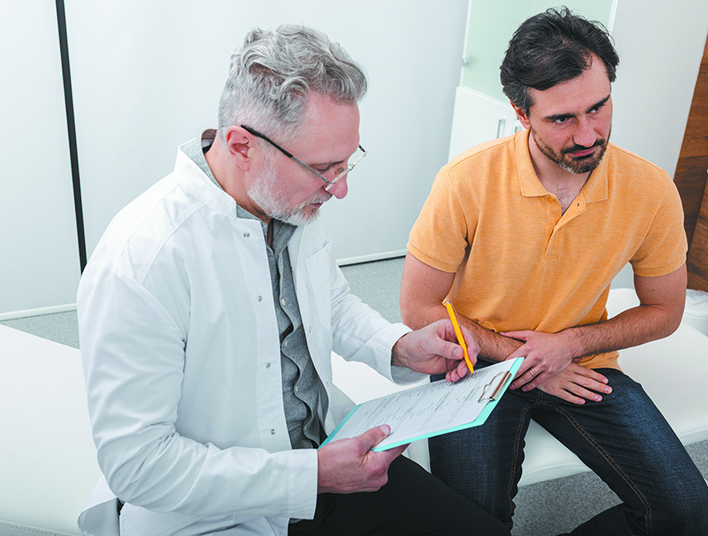
Chronic prostatitis/chronic pelvic pain syndrome (CPPS) is perhaps the most perplexing male genitourinary disorder. Affecting an estimated 7% to 12% of men, CPPS is the most common form of prostatitis, characterized by a constellation of symptoms of uncertain origin, making diagnosis and management challenging.
As such, many men with CPPS go through years of unsuccessful therapies before arriving at the right diagnosis and treatment.
Fortunately, our knowledge about CPPS has grown, prompting the American Urological Association (AUA) to publish updated guidelines outlining a multipronged approach to addressing the diverse aspects of CPPS.
“CPPS is probably more common than we realize,” says Cleveland Clinic urologist Petar Bajic, MD. “We are becoming more and more aware of the ways in which CPPS affects men, but there’s still much more to learn.”
Prostatitis and CPPS
In simple terms, prostatitis refers to infection or inflammation of the prostate. While in some cases a bacterial infection is responsible and can be treated with antibiotics, the vast majority of prostatitis cases are due to CPPS, for which diagnosis and treatment aren’t so straightforward and antibiotics are often ineffective.
CPPS is defined as chronic pain attributed to the pelvis or genitourinary organs occurring for at least three of the past six months in the absence of identifiable causes, according to the AUA guidelines (Journal of Urology, August 2025). Men with CPPS can present with urinary symptoms that mimic benign prostate enlargement (BPH) or pain that resembles an inguinal (groin) hernia or lower-back problems. Painful urination/ejaculation and scrotal pain, along with chronic fatigue, are other common signs of CPPS, but they also occur with chronic bacterial prostatitis.
“I have treated quite a few men with chronic pelvic pain who had been treated previously with antibiotics for weeks, which is the improper therapy for CPPS and nonbacterial prostatitis,” says Larissa Bresler, MD, DABMA, a member of the AUA guideline panel. “Many of these men have undergone several procedures and seen between three to five doctors before they found the specialist who is experienced in treating CPPS.”
Beyond Prostatitis
In short, CPPS is more than just prostatic infection or inflammation, but rather a “complex interplay of multiple factors,” including cardiovascular, neurological, musculoskeletal, endocrine, immunological and psychological factors, Dr. Bresler and colleagues note in the AUA guidelines (see “The Psychology of CPPS”).
In short, it’s more than prostatitis and affects more than just your prostate health. Experts have found that many men with CPPS also have gastrointestinal issues, such as constipation and irritable bowel syndrome; neurological disorders, such as fibromyalgia, chronic fatigue syndrome and low-back pain; and cardiovascular disease. In fact, research suggests that men with CPPS are six times more likely to have cardiovascular disease (most commonly hypertension) and five times more likely to have neurological dysfunction (most commonly spinal disk problems), according to the AUA guidelines. Problems with the lower back and hips can cause CPPS and dysfunction of the pelvic floor, the set of muscles that function as a hammock to hold and support the bowel, bladder, prostate and other structures.
“The nerves that work your genitourinary organs or male sexual organs come from your lower back,” Dr. Bresler says. “So, it’s not uncommon for men with CPPS to have lower-back issues.”
Medications for CPPS
The AUA guidelines recommend medications such as alpha-blockers (e.g., alfuzosin and tamsulosin) for men with urinary symptoms and/or BPH, as well as medications to ease pain: nonsteroidal anti-inflammatory drugs (ibuprofen, naproxen), acetaminophen (Tylenol®), phenazopyridine (Azo Standard®) and drugs that treat nerve dysfunction (e.g., gabapentin, pregabalin and certain antidepressants). The erectile dysfunction drug tadalafil (Cialis®) is another pharmacological option. Also, certain supplements—such as saw palmetto, quercetin (a natural antioxidant found in apples, onions, and red wine) and bee pollen extract—may be prescribed to reduce pain and improve urinary symptoms and quality of life, the guidelines advise.
“Unfortunately, the evidence across the board for these drugs in treating CPPS is relatively poor. However, most of the medications are low risk,” Dr. Bajic says. “The supplements are largely supported by low-quality evidence, but they are also extremely unlikely to cause harm, so their risk-benefit profile remains favorable.”
Nondrug CPPS Treatments
Several nonpharmacologic therapies may have a greater impact on CPPS. Some studies support the use of low-intensity extracorporeal shockwave therapy, which uses low-level soundwaves to improve pain control, and transcutaneous electrical nerve stimulation (TENS), a treatment commonly used in orthopedic conditions that may be self-administered at home.
The guidelines also recommend acupuncture, based on a considerable body of research supporting its use. Dr. Bresler notes that various forms of acupuncture can be effective for CPPS: “In terms of pelvic pain treatment, acupuncture is one of the few treatments where the evidence is promising. As compared with sham, usual care or medications, acupuncture is superior and shows greater improvement in pain scores and quality of life.”
Since pelvic floor dysfunction is so prevalent in CPPS, Dr. Bresler and Dr. Bajic strongly recommend a specialized form of physical therapy that eases tension in these muscles. Seek out a physical therapist trained in pelvic floor therapy, as the wrong types of pelvic floor exercises—such as Kegel exercises—can make things worse.
“Pelvic floor therapy is, in my opinion, the single-most important treatment for CPPS,” Dr. Bajic says. “I’ve had innumerable patients whose symptoms have completely resolved after pelvic floor therapy, but it’s important to be patient. It can take six to 12 sessions to get things optimized.”
Similarly, adopting certain behavioral practices can have a profound effect on CPPS. They include dietary changes (e.g., cutting back on spicy foods, alcohol and caffeine and increasing consumption of water, fiber and herbal teas) and regular physical activity. “Between 30% and 40% of patients can improve in these situations with behavioral modification alone,” Dr. Bresler says.
The Bottom Line
You might not be fully “cured” of CPPS, but seeking specialized treatment that addresses all facets of it can minimize your symptoms and improve your quality of life.
“Multimodal therapy, with pelvic floor physical therapy at its core, is extremely effective,” Dr. Bajic says. “It’s important for men to know that complete resolution of symptoms may not always be feasible, and that there is no magic pill that will correct their symptoms.
“Just know that you are dealing with a condition that is much more common than we previously thought,” he continues “Start by seeking out an experienced urologist and/or pelvic floor therapist to start your journey toward improving your symptoms.”
Editor’s note: Dr. Bresler’s comments are her own and not made on behalf of the AUA or the Department of Veterans Affairs.