With so much information—and misinformation—about mRNA vaccines, it’s not always easy to sort out what’s true.
Some people worry about the safety of these vaccines, given how quickly they were developed during the pandemic. In reality, mRNA technology has been studied for more than 20 years, explains Otto Yang, MD, of the UCLA Division of Infectious Diseases.
“The mRNA vaccine was not experimental, nor was it suddenly foisted on the public,” he says. “It had already been shown to be safe and capable of triggering strong immune responses. Because they can be designed and produced quickly, mRNA vaccines were ideally suited for rollout during the pandemic to protect public health.”
What are mRNA Vaccines?
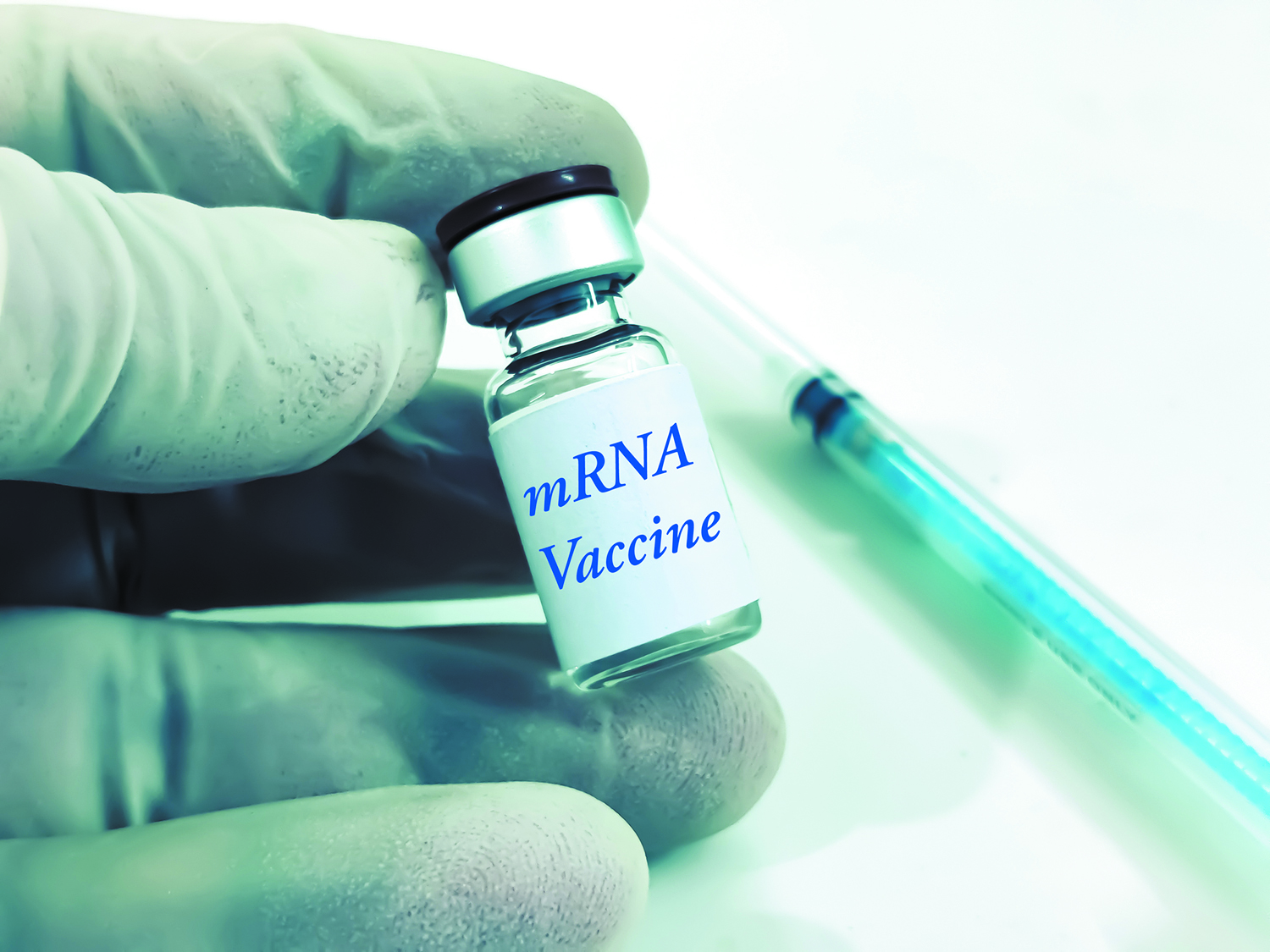
Messenger RNA (mRNA) vaccines use a small piece of genetic code to teach cells to make a harmless protein that triggers the immune system to produce antibodies. If a vaccinated person encounters the real virus later, the immune system already has the “instructions” that enable it to respond quickly, lowering the risk of severe illness. Unlike traditional vaccines made with dead or weakened (attenuated) viruses, mRNA vaccines contain no live virus and cannot cause disease.
Concerns that mRNA vaccines could alter DNA or cause cancer are also unfounded, Dr. Yang notes: “The mRNA vaccines do not alter a person’s genetic code or increase cancer risk. DNA is the master code in a cell, while mRNA is a temporary message that’s quickly broken down and discarded.”
This technology is well-understood, and claims that mRNA vaccines contain microchips, cause sterility or harm the immune system are also unfounded, Dr. Yang adds.
Why mRNA Vaccines and Others Are Recommended
As you grow older, your immune system becomes less equipped to fight infections like COVID-19 and the flu. Even the healthiest, most active older adults face increased risks of severe illness simply due to age, making it crucial to understand the real-world benefits of vaccination and the need for regular vaccinations in some cases.
“As the immune systems naturally become weaker, it can be harder for the body to respond to any vaccine—not just mRNA vaccines,” Dr. Yang says. This is one reason why some vaccines are recommended yearly.
In addition to aging, frailty and chronic illnesses, like diabetes, can weaken a person’s immune system, making it harder for the body to fight infections or respond fully to vaccines. Moreover, some medical treatments for autoimmune diseases—including rheumatoid arthritis and Crohn’s disease—are designed to dampen the immune system, which also can make vaccines less effective. However, Dr. Yang stresses these same health conditions also raise the risk of getting very sick or dying from COVID-19. For this reason, it’s even more important for people with these health issues to get vaccinated.
Key Drivers of the Aging Immune System
Two main biological changes—immunosenescence and inflammaging—drive immune decline as you age. Immunosenescence occurs when the immune system weakens and becomes less able to fight infections, while inflammaging refers to the tendency for the body to be in a constant state of low-level inflammation.
These two conditions often happen concurrently and can make each other worse. As the immune system weakens (immunosenescence), it struggles to clear out old, damaged cells, which leads to more inflammation (inflammaging). At the same time, this constant inflammation can further weaken and disrupt the immune system. Together, they increase the risk of infections, chronic diseases, and other health problems commonly seen in older adults.
This means that older adults can face a higher risk of serious illness from infections like the flu and COVID-19. However, if vaccines are meant to train the immune system, it seems logical to question why repeated vaccines might be needed in such cases.
Dr. Yang elaborates, “Immune protection from both the vaccine and from having had COVID-19 only lasts a few months. This isn’t a flaw of the vaccine, but rather a result of how the immune system responds to this particular virus. That’s why someone can get COVID-19 more than once, and why regular boosters are recommended to help maintain protection.”
Viruses also can mutate rapidly, creating new versions—or variants—that may partly escape the immune protection from previous vaccination or infection. Consequently, people can get sick again, even if they’ve already had COVID-19 or been vaccinated against it. Updated booster shots are developed to match the most common or harmful variants and help renew immunity, similar to how the yearly flu shot is updated for new strains. These evolving viruses make repeated vaccination especially important for older adults and those at increased risk.
Safety of mRNA Vaccines
As of 2025, the only available mRNA vaccines are for COVID-19, but several others—including ones designed for other infectious diseases, such as respiratory syncytial virus (RSV), and certain cancers—are in development.
The safety record for mRNA vaccines is excellent. Typical side effects—such as a sore arm, mild fever, or fatigue—are short-lived and often milder in older adults. “People who are older or have weaker immune systems are actually less likely to have these side effects, since they stem from immune activation, which may be less vigorous in older adults,” Dr. Yang notes.
Serious reactions, such as heart inflammation (myocarditis) or stroke, are extremely rare and far more likely to occur from COVID-19 infection than from the vaccine.
For people with chronic diseases like diabetes, obesity, or heart disease, the benefits of vaccination far outweigh the risks. Talk with your doctor about which vaccines are right for you and what side effects to expect. Understanding them in advance can help you feel more confident before you get vaccinated.
Myths and Misinformation
Dr. Yang debunks several common myths regarding mRNA vaccines:
- mRNA vaccines do not alter DNA. The vaccine’s genetic material never enters the cell’s nucleus, where DNA resides, and is quickly broken down.
- There’s no evidence that mRNA vaccines cause cancer, infertility, or long-term immune harm.
- The vaccines contain no microchips, tracking devices, or data-collecting technology.
- Serious side effects such as heart inflammation are exceedingly rare and far less likely than complications from COVID-19 infection.
- You cannot get COVID-19 from an mRNA vaccine, as it contains no live virus.