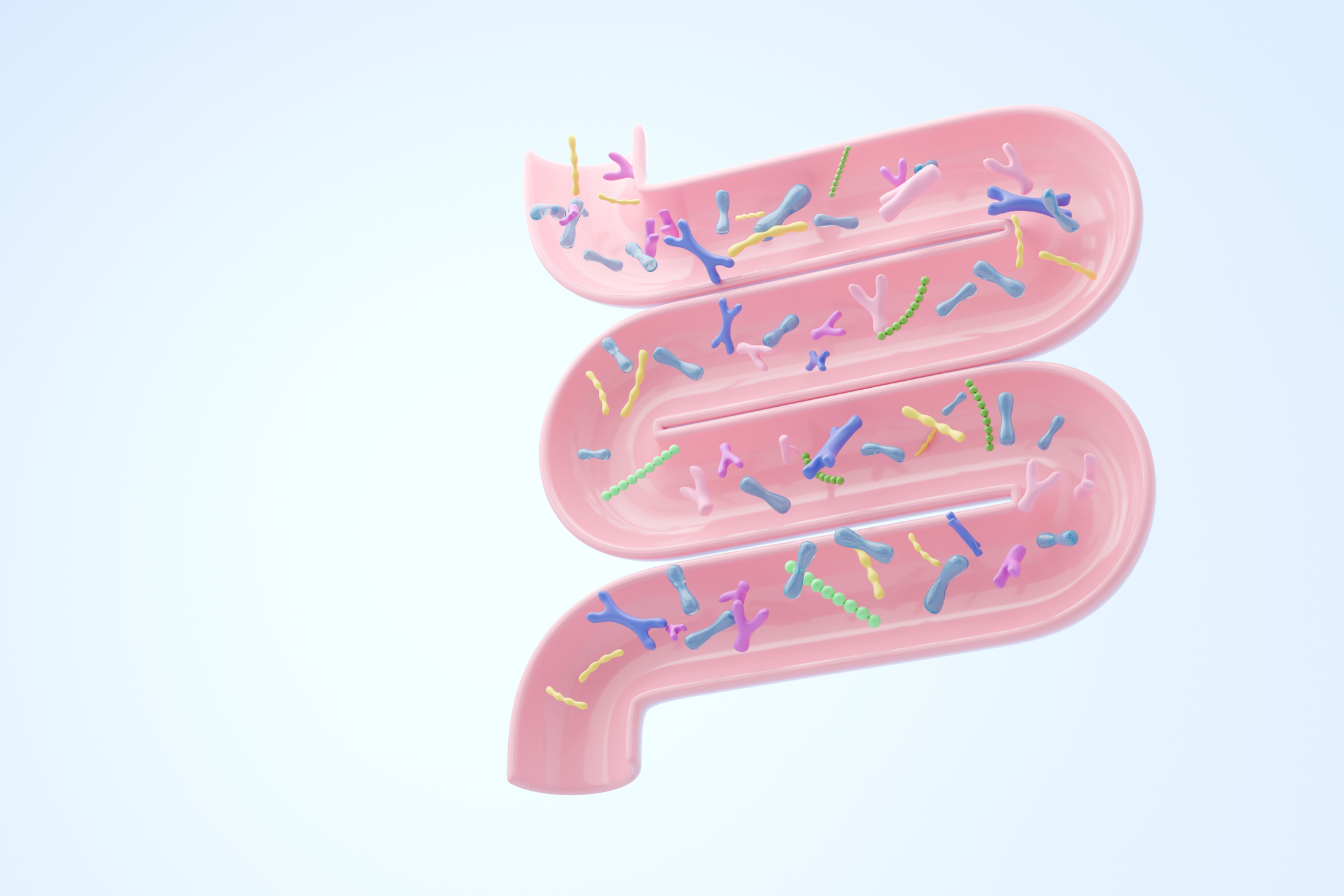
Prebiotics, probiotics and the latest category, postbiotics, are components of a chain reaction that ultimately benefits your health. Bottom Line Personal asked Kelsey Mangano, PhD, RDN, associate professor at Zuckerberg College of Health Sciences at UMass Lowell, to explain each of these and how we can benefit from them.
How to Improve Gut Health
There are many healthful bacteria, fungi and viruses that live inside your gastrointestinal system. Embedded in the mucosal layer of your intestines, these microbes help to grow and maintain the right environment for digesting foods and absorbing the maximum amount of nutrients from them. They also generate healthful substances, such as short-chain fatty acids, that travel to and positively affect all the other tissues and organs in your body. They boost the immune system and drive down inflammation, which is good for overall health. It’s not a question of prebiotic versus probiotic because you actually need both in your diet, and together they lead to the formation of postbiotics.
Probiotics
One of the ways to keep all those healthy microbes active and populated is by eating more healthy bugs, namely probiotics. Probiotic foods, typically fermented foods, supply various strains of bacteria. Fermentation maintains the right environment for these bacteria to grow. Fermented foods include all types of fermented dairy, such as yogurt, kefir and cheeses, and the fermented forms of plant foods such as soybeans (tempeh), cabbage (kimchi) and cucumbers (pickles).
Prebiotics
For healthy bugs to keep functioning at their highest level, they need the right environment within the gastrointestinal tract. You can do that by feeding them with foods rich in prebiotics, typically the fermentable fibers (meaning fibers that the bugs ferment and feed off) inulin, fructo-oligosaccharides and galacto-oligosaccharides. Prebiotic foods include garlic, onions, leeks, asparagus, bananas, artichokes, legumes, oats, barley and other whole grains.
Important: If you follow a low-FODMAP (fermentable oligosaccharides, disaccharides, monosaccharides and polyols) diet, you still may be able to eat some prebiotic-rich foods. Most people do not have an intolerance to all non-digestible fibers. Work with your dietitian to identify which of the FODMAPs negatively affect you the most and eliminate only that group. Example: People who have an intolerance to garlic, onions and leeks may be able to tolerate bananas. This will take some detective work, but the effort is worthwhile. Helpful: The Monash University FODMAP Diet app can be helpful to identify which FODMAPs are high and low in each food. Go to Monash.edu and search for “FODMAP App.”
Synbiotics
Because prebiotics and probiotics work in synergy, we’re seeing the creation of synbiotics, foods that contain both probiotics and prebiotics, such as yogurts fortified with inulin. It’s helpful to eat both prebiotics and probiotics at the same meal because we want the bugs and we want to feed the bugs. Examples: Oats topped with yogurt…a kefir and banana smoothie. But the body will still benefit if you eat them at different meals over the course of each day.
Postbiotics
Probiotics are important because they produce healthful compounds, including the short-chain fatty acids butyrate, acetate and propionate, along with nutrients like vitamin K and biotin. These compounds are called postbiotics, named for the next stage in the sequence that began with prebiotics. Some have only just been discovered, and we’re learning more about them. It appears that they not only have a very positive impact on the immune system, driving down inflammation, but can also improve the gut-brain axis, the two-way communication system between the gut and the brain.
Should You Supplement?
As with many other nutrients, such as calcium, there’s evidence to suggest that food is the best source of prebiotics and probiotics, and your first effort should be to eat foods high in both. That being said, some people might not be able to fully meet their needs through food alone. Supplements may offer a boost when you need help to quickly repopulate your gut after being on antibiotics, for example, or experiencing a gastrointestinal issue such as norovirus or food poisoning. Talk to your doctor to make sure there won’t be any negative interactions with other medicines you’re taking.
Ongoing research is being done to deliver pre- and probiotic supplements in effective ways. One innovation already on shelves is encapsulated supplements with delayed release. The delayed release means the capsule is broken down farther along in the GI tract—past the heavily acidic environment of the stomach that could kill them—so more bugs survive the journey to the intestines.
Another area of interest: Studies are looking at whether high-dose supplements of some of the compounds produced by probiotics could bring the same health benefits as directly populating the gut with the probiotics needed to make them. There’s no answer yet, so it’s important to note that the supplement market is running ahead of the research by selling postbiotics. For the moment, focus on your diet to supply your gut with the building blocks—prebiotics and probiotics.