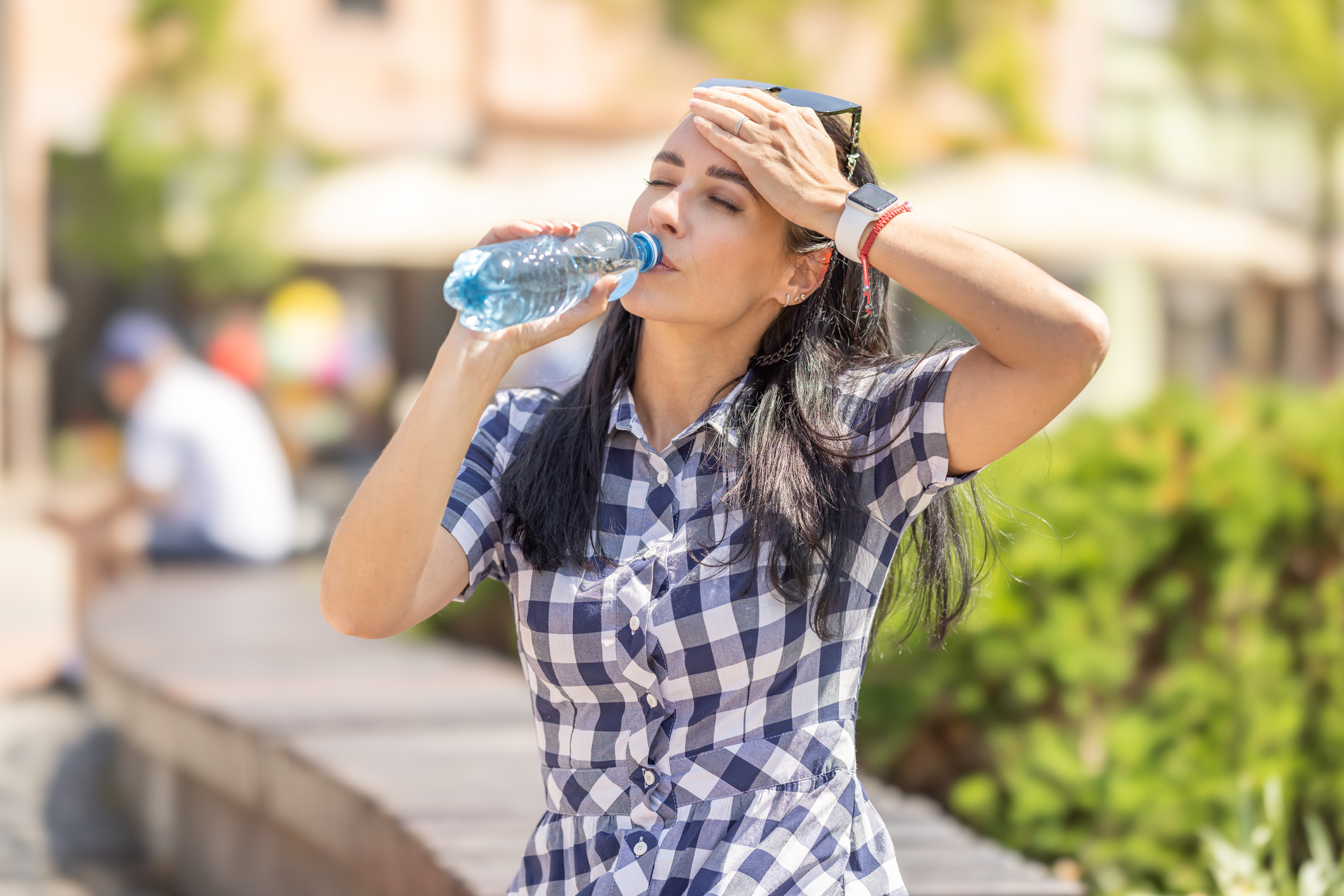
Your mouth and skin are dry, and you have a headache. If you ignore your fluid needs, you can experience these and other dehydration symptoms, whether you’re in the hot sun or an air-conditioned living room.
Because up to 60% of your body is composed of water, you deprive yourself of a vital component when you’re dehydrated. Older adults are more susceptible to the effects of dehydration, and dehydration symptoms may not be as recognizable when you’re older.
“Diagnosing dehydration in older people is much more subtle,” says Steven Feinleib, MD, with Cleveland Clinic’s Department of Executive Health, “so prevention is that much more important”
Dehydration Symptoms & Complications
Age-related reductions in your body’s water content and muscle mass can lead to fluid shifts that can result in dehydration. Moreover, your sensation of thirst typically wanes as you get older, so by the time you feel thirsty, you might already be dehydrated.
If you have benign prostatic enlargement (BPH), overactive bladder or take diuretic medications, drinking more fluids can mean making more bathroom trips, particularly at night. “If you’re urinating a lot, you might cut back on the amount of fluid you’re drinking, and you might even get advice from a doctor to stop drinking at a certain time,” Dr. Feinleib says. “You have to be conscientious about having an adequate amount of fluid throughout the day.”
You need good hydration to regulate your body’s internal temperature, help your kidneys and digestive tract remove waste effectively and keep your skin healthy and your joints lubricated. Staying hydrated also maintains your body’s critical balance of fluids and electrolytes essential for heart, blood vessel, brain and muscle function.
Dehydration may cause increased thirst, dry skin and mouth, reduced urination, darker urine, headaches, dizziness, confusion and fatigue. More severe dehydration symptoms include an inability to sweat, wrinkled/shriveled skin, sunken eyes, cognitive problems, constipation, muscle cramps/weakness, drops in blood pressure when standing, increased heart rate and (in people with diabetes) blood sugar spikes.
How Much Water Should You Drink a Day?
Water is widely considered the best source of hydration—you can add a little juice or a slice of fruit to give it some flavor. Seltzer waters, low-fat/fat-free milk and decaffeinated coffee and tea are other good hydration options, but refrain from caffeinated and alcoholic beverages (which can be dehydrating) and minimize or avoid sugar-sweetened and artificially sweetened beverages.
A general recommendation is to drink eight 8-ounce glasses of fluids a day, but your fluid requirements may be greater if you’re physically active, sweating more or you’re at a higher altitude. The American College of Sports Medicine recommends consuming 3 to 8 ounces of water every 15 to 20 minutes if you exercise less than one hour and 3 to 8 ounces of a sports drink every 15 to 20 minutes if your workout is longer than an hour.
Since your thirst response may be reduced now that you’re older, use your bathroom trips as a guide to whether you need to drink more. If you haven’t urinated for two or three hours, you’re probably not hydrating enough. Carry a water bottle with you, and program your smartphone or watch to remind you to drink something periodically.
“You can think about hydration like any other habit,” Dr. Feinleib says. “Link it to something else you do throughout the day—for example, each time you go to the bathroom, brush your teeth or eat a meal, have something to drink.”
Also, keep in mind that about 20% to 25% of the fluids you consume each day come from foods, particularly fruits and vegetables (see “Eat for Good Hydration”). So, make smart beverage and food choices to keep your body well hydrated and, in the process, improve your overall well-being.
| Percentage of Water | Food |
| 90%–99% | Cauliflower, celery, cucumbers, iceberg lettuce, strawberries, watermelon, zucchini |
| 80%–89% | Apples, broccoli, carrots, grapes, pears, pineapple, oranges, yogurt |
| 70%–79% | Avocados, baked potatoes, bananas, cooked corn, cottage cheese, shrimp (non-fried) |
| 60%–69% | Beans and other legumes, chicken breast, pasta, salmon |