It’s as if your whole body is slowing down. Your mood is low, you feel overly fatigued, and you sleep more than usual. You’ve gained weight, and your muscles and joints ache.
A thought crosses your mind: Could these be hypothyroidism symptoms?
Taken together, these symptoms are commonly associated with an underactive thyroid, or hypothyroidism, but having them does not necessarily mean you have a thyroid disorder, nor that there is a single cause. Proper evaluation by a healthcare provider is needed to determine what’s really going on.
“If somebody is complaining of multiple issues, we tend to want to relate them to one entity, but we have to look at the bigger picture,” explains Ossama Lashin, MD, PhD, Medical Director of Cleveland Clinic’s Thyroid Center. “We have to start to use some medical detective work to figure out what the problem is or if it’s more than one problem, how we can address each of them to improve a person’s health.”
What Is Hypothyroidism?
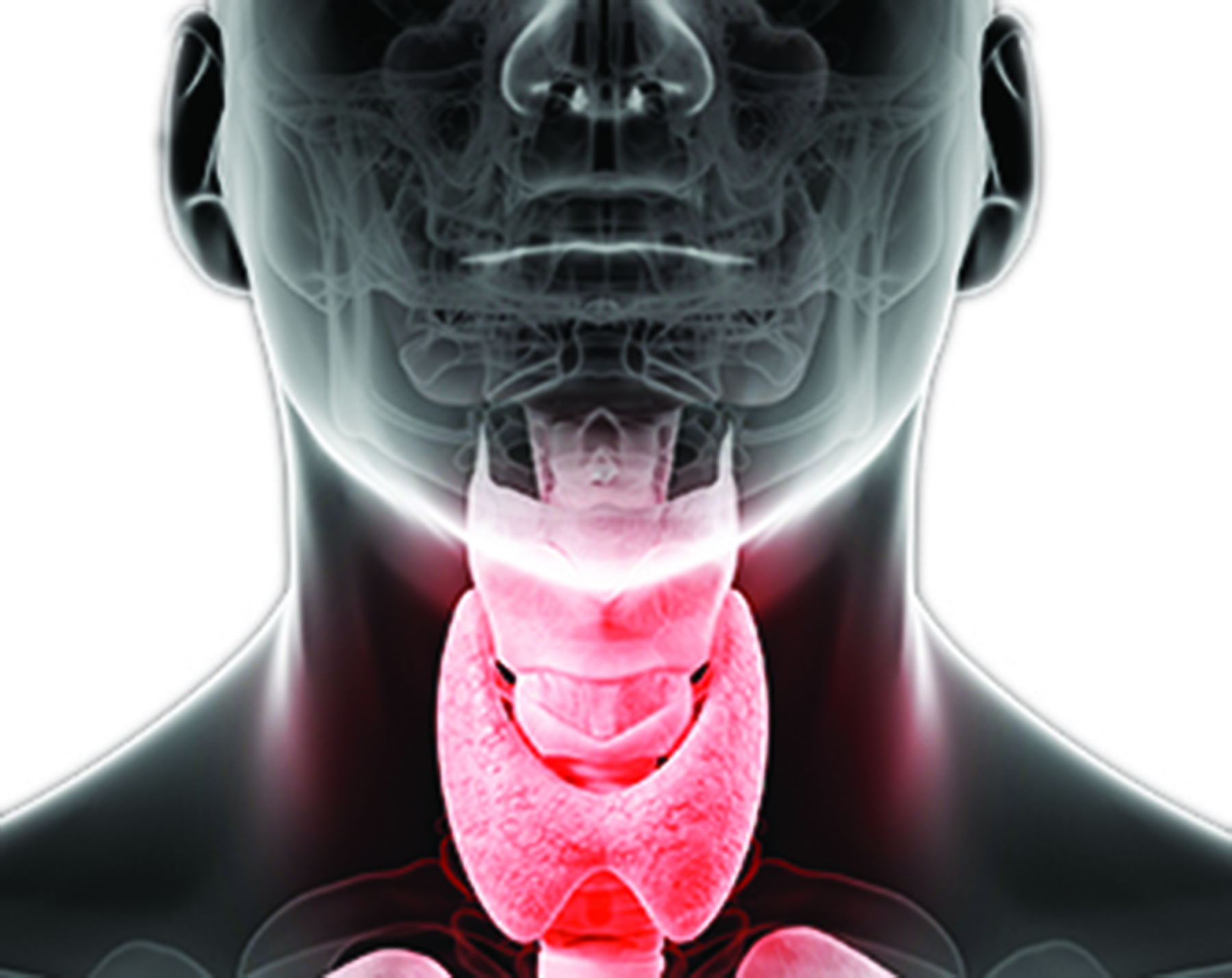
A small, butterfly-shaped gland situated in the front of your neck, the thyroid produces two crucial hormones—triiodothyronine (T3) and thyroxine (T4)—that control your body’s metabolic rate and ensure that each cell in the body is performing at its best.
As part of normal aging, subtle changes in thyroid hormone regulation can begin in midlife and progress gradually over time, but they are often mild and do not cause symptoms or require treatment. In some cases, more significant hypothyroidism can result from treatment to correct an overactive thyroid gland (hyperthyroidism), as well as from an autoimmune disorder (Hashimoto’s thyroiditis) or drugs like amiodarone (Cordarone, Pacerone) and lithium.
Iodine deficiency can also cause hypothyroidism, but it’s rare in the United States because of iodine fortification in salt and other food sources. However, iodine excess may be more of a concern. “There are supplements marketed as thyroid extracts or thyroid support,” Dr. Lashin says. “If these supplements contain a large amount of iodine, it can cause an underactive thyroid in a different manner than the hypothyroidism that happens when there’s iodine deficiency.”
Sorting Out Hypothyroidism Symptoms
Hypothyroidism can cause a constellation of nebulous and seemingly unrelated symptoms. You might figure these issues are simply a byproduct of getting older. Alternatively, you might believe they’re low-thyroid symptoms when in fact another medical issue—e.g., sleep apnea, testosterone deficiency, anemia, kidney disease, depression, or a medication side effect—is to blame.
“It’s tough because a lot of times the symptoms are very subtle and nonspecific,” Dr. Lashin says. “The key is symptoms that are persistent and progressive, and if they are all happening together, it is highly suggestive that thyroid function may be off and needs to be checked.”
To diagnose hypothyroidism, your doctor will order a blood test that measures thyroid-stimulating hormone (TSH) which is produced in the pituitary gland and regulates thyroid hormone levels. You also may require additional testing to measure T3 and T4 levels.
Symptoms of Hypothyroidism & Hyperthyroidism
Tell your doctor about these symptoms of thyroid dysfunction, and work to uncover whether your thyroid or another medical issue is causing them:
|
HYPOTHYHROIDISM SYMPTOMS |
HYPERTHYHROIDISM SYMPTOMS |
|
· Low energy, persistent fatigue, or excessive sleepiness · Muscle aches, cramps, or weakness · Joint pain and mild joint swelling · Slowed thinking, memory, or concentration problems · Low mood or depression · Unexplained weight gain · Erectile dysfunction or reduced libido · Constipation · Dry, coarse skin · Thinning hair or hair loss · Hoarseness · Increased sensitivity to cold · Slower heart rate |
· Anxiety, nervousness, or restlessness · Increased irritability · Heart palpitations or rapid heartbeat · Increased appetite with unintentional weight loss · Excessive sweating and heat intolerance · Hand tremors · Vision changes or eye discomfort · Difficulty concentrating or mental “fog” · Diarrhea or more frequent bowel movements · Trouble sleeping · Fatigue despite feeling “wired” · Muscle weakness · Thinning of the skin and/or hair |
Treating Hypothyroidism Symptoms
The primary and preferred treatment for hypothyroidism is levothyroxine (Levoxyl, Synthroid), a synthetic form of T4. The drug is taken once daily, first thing in the morning and at least an hour before you eat or drink anything or take other medications.
Based on blood testing and an assessment of your thyroid function, your specialist will estimate the starting dose of levothyroxine necessary to achieve these levels, but it may take several weeks to a few months and some trial and error to find your optimal dose that alleviates symptoms.
Levothyroxine is generally safe, with few side effects. However, taking too much of the drug can cause symptoms of hyperthyroidism, such as memory and cognitive issues, insomnia, diarrhea, irregular or rapid heartbeats, and others. “Hyperthyroidism is something that we need to address promptly, compared with the gradual approach to correcting hypothyroidism,” Dr. Lashin says.
So, be sure to take the medication correctly, he recommends, and when you first begin treatment, have your blood thyroid levels checked every six weeks until you achieve the optimal dose of levothyroxine, then once or twice a year afterward.
Once you’re on an optimal dose and your thyroid hormone levels are normal and stable, if you still experience symptoms, seek an evaluation for other potential causes. Don’t switch between levothyroxine and other thyroid replacement products, such as liothyronine (Cytomel, Triostat), hoping that one will work better for you, Dr. Lashin advises.
“For most patients, brand‑name and generic levothyroxine provide equivalent thyroid hormone replacement. Alternative therapies, such as desiccated animal thyroid extract, have not consistently been shown to offer added benefit over levothyroxine alone,” he adds. “Have patience because this is a very gradual process and we don’t want to undershoot or overshoot the dose when we are replacing thyroid hormone. Work with a thyroid specialist or an endocrinologist who can uncover the reason for your symptoms, exclude other conditions, and address the thyroid issue appropriately if it is the cause.”