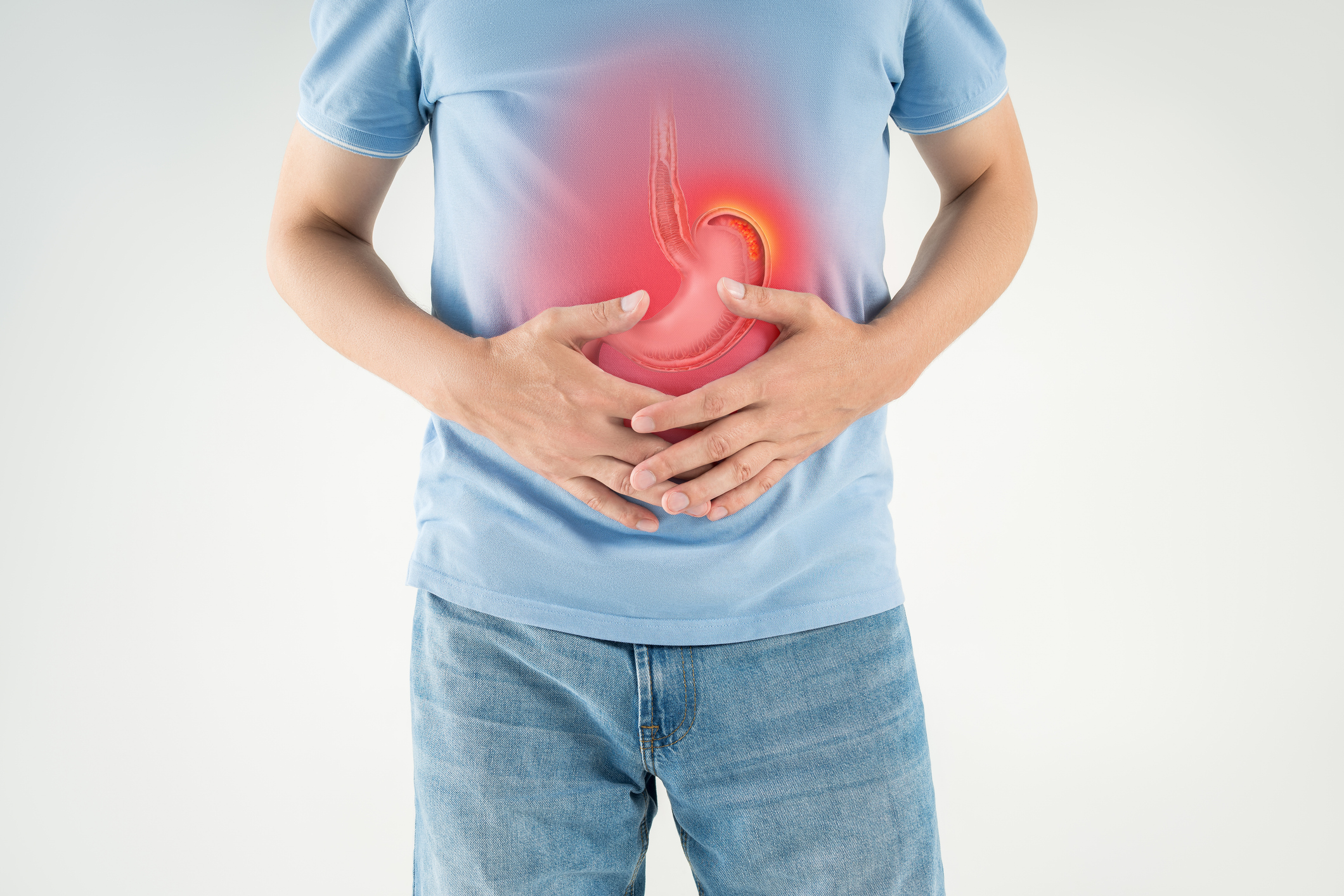
Heartburn is a burning sensation in your chest that occurs when stomach acid flows backward up toward your throat. When this occurs on a regular basis, it is known as gastroesophageal reflux disease (GERD). While medication can help some people, the following simple changes often are enough to significantly reduce symptoms…
- Eat a lighter evening meal…and eat earlier. When it comes to acid reflux, aim to leave a three-to-four-hour gap between dinner and bedtime. Certain foods can remain in the stomach for up to four hours, which can encourage acid to leak back out of the stomach and worsen reflux symptoms. Also keep your evening meal light, so it is fully digested before you go to bed.
- Avoid foods that trigger reflux. Certain foods and drinks are more likely to bring on acid reflux symptoms. Some of these foods may increase the amount of time your food takes to digest, whereas others may irritate or make it more likely that acid leaks out. Beverages to avoid: Alcohol, coffee, fizzy drinks. Foods to avoid: Spicy foods, oily or fatty foods, fast food, tomatoes, onions, chocolate.
- Sleep on an incline. Raising your head six to eight inches above the level of your legs can help reflux symptoms. By keeping your head and chest above waist level, it is harder for the acid to leak upward toward your throat. But: Don’t do this by supporting yourself with more pillows. They don’t always provide uniform support and can increase pressure on your stomach, making symptoms worse. Better: Risers to lift the top of your bed…or an inclined reflux wedge support pillow (available on Amazon.com).
- Sleep on your left side. A 2023 meta-analysis on PubMed found that sleeping on your left side reduced symptoms of acid reflux at night in people who have GERD. In this position, the esophagus (food pipe) remains above the stomach, making it harder for acid to leak out of the stomach. One way to prevent sleeping on your back: Tape a tennis ball on the back of your pajamas. This prevents you from rolling on your back…but it may take a night or two to get used to!
If lifestyle changes and medication don’t help, ask your doctor to check for Helicobacter pylori, a common bacteria that infects the stomach and causes heartburn. Persistent symptoms should always be reviewed with your doctor to rule out more serious conditions, especially in people over age 50.