If you’ve ever looked at the ingredient list on a colorful snack, cereal, or even a simple loaf of bread, you’ve probably seen names like “red dye 3,” “yellow 5,” or “sodium benzoate.”
These are just a few examples of synthetic food dyes and additives—chemical ingredients used to enhance color, flavor, texture, or shelf life in processed foods. While red dye 3 or any other synthetic food dye or additive may make a product more appealing or convenient, mounting research shows these substances can come with real health risks, especially for older adults.
“Synthetic food additives can be unsafe if consumed regularly, frequently, and/or over a prolonged period of time,” explains Dana Hunnes, RD, MPH, PhD, a dietitian with UCLA Medical Center. “And there is no benefit to consuming them. Synthetic dyes and calorie-free sweeteners just do not add a health benefit, and they can be detrimental.”
FDA Bans Red Dye 3
Red dye 3, or erythrosine, has been banned from topical drugs and cosmetics since 1990. Finally, in January 2025, the U.S. Food and Drug Administration (FDA) revoked the authorization to use it in foods and ingested drugs.
The push for the ban was led by consumer advocacy groups, scientists, and public health organizations who formally petitioned the FDA to ban all remaining uses of red dye 3, citing decades-old studies showing it causes cancer in laboratory animals and also a federal law that prohibits additives shown to cause cancer in lab animals or humans. However, the FDA notes that there is no evidence showing that red dye 3 causes cancer in humans.
Manufacturers must remove red dye 3 from foods by Jan. 15, 2027, and from ingested drugs by Jan. 18, 2028, though products made before those dates may remain on shelves for a time.
Red dye 3 may be listed on product labeling in a number of ways, including:
- Red 3
- FD&C Red 3
- FD&C Red No. 3
- Erythrosine
What Is Red Dye 3 In?
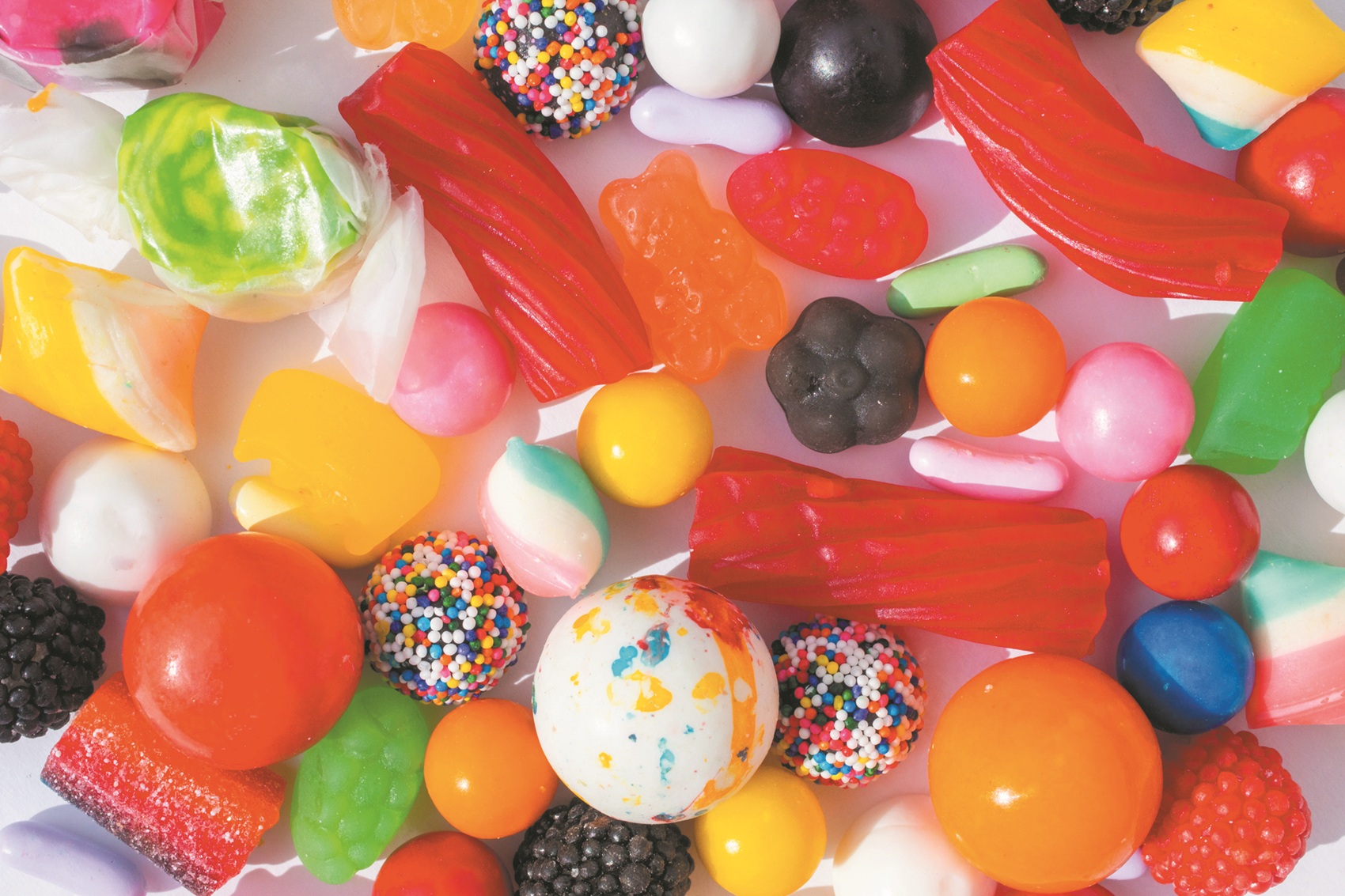
Red dye 3 is added to a number of food products to give them a bright, cherry-red color, but it does not affect a food’s flavor. The list of red dye 3 foods includes:
- Bacon bits (imitation)
- Cake mixes with red icing
- Candy (e.g., jelly beans, lollipops, candy corn)
- Cereals
- Frosting
- Fruit juice/juice cocktails
- Hot dogs and sausages
- Sports drinks
- Strawberry-flavored milks, ice cream
Studies Reveal Health Risks
Concerns about red dye 3 also extend to other food additives, as several large-scale, peer-reviewed studies have linked synthetic food additives to a range of health risks. A 2025 review published in Frontiers in Nutrition reported that long-term exposure to artificial preservatives, colorants, and flavor enhancers is associated with increased risks for major chronic diseases, including cardiovascular disease and cancer. The review also highlighted how these additives can worsen respiratory conditions such as asthma and chronic obstructive pulmonary disease (COPD) by causing oxidative stress, systemic inflammation, and immune dysregulation, often through the gut-lung axis. The study also found that preservatives like sodium nitrite and sulfites can trigger bronchial hyper-responsiveness and allergic reactions.
Another major study, published April 2025 in PLOS Medicine, analyzed data from over 100,000 adults and found that certain mixtures of food additives—especially those containing emulsifiers, sweeteners, and colorings—were associated with a higher incidence of type 2 diabetes. The researchers suggested that these additives may disrupt the gut microbiome, leading to inflammation and insulin resistance, both of which are key drivers of diabetes. The study also noted that even small increases in the intake of ultra-processed foods, which typically are rich in these additives, led to measurable increases in chronic disease risk.
Synthetic dyes have also been scrutinized for their links to cancer. Animal studies have associated various blue, yellow, and red dyes with tumor development and neurotoxicity, while human data—though more limited—suggest potential risks for behavioral and neurodevelopmental issues. Although the strongest evidence for neurobehavioral effects is in children, older adults with pre-existing neurological or psychiatric conditions also may be more sensitive to these additives.
“Children are especially susceptible to the dangers because of their smaller body size,” notes Hunnes. “These dyes are all unnecessary. In the long run, it’s just better for our overall health to not have these in the food supply.”
Government Phase-Out Lacks Muscle
In April 2025, the FDA and the Department of Health and Human Services publicly announced a plan to phase out synthetic, petroleum-based food dyes from the U.S. food supply. They outlined a strategy to establish a national standard and timeline for the food industry to transition from synthetic dyes to natural alternatives. This plan includes initiating the process to revoke authorization for two dyes (Citrus Red No. 2 and Orange B) and working with industry to eliminate six more (FD&C Green No. 3, Red No. 40, Yellow No. 5, Yellow No. 6, Blue No. 1, and Blue No. 2) by the end of 2026.
However, the FDA is not issuing a formal ban on these dyes. Instead, the agency is relying on what Secretary of Health and Human Services Robert F. Kennedy Jr. described as an “understanding” with the food and beverage industry to voluntarily make the switch to natural colorants. There is no new regulation or binding rulemaking; the phase-out is largely voluntary and depends on industry cooperation.
Generally Recognized as Safe
Hunnes points out the potential downsides of tasking industry to regulate itself. Take “GRAS” for example. GRAS stands for “Generally Recognized as Safe,” a term created to allow certain food ingredients to bypass formal FDA approval if experts agree they are safe for their intended use. Originally, this term was meant for common substances like salt and vinegar. However, now companies can decide on their own that new chemicals and additives are GRAS, often relying on their own research and experts, without having to notify the FDA or the public.
“Generally recognized as safe basically means in low or typical doses, it’s generally safe,” explains Hunnes. “But, in high doses, it is potentially less safe and possibly even dangerous. I also think it’s potentially dangerous to allow industry to self-regulate, as they don’t always do what’s in the best interest of health.”
Because there is little transparency, the FDA and the public often don’t know which substances are being used or at what levels. In practice, this system benefits the industrial food complex by making it easier and faster to introduce new ingredients, but it does little to nothing to adequately protect consumers from potential health risks.
The Choice Is Yours
When avoiding synthetic food additives, aim for a diet that’s as close to nature as possible. Hunnes puts it simply: “One of the best and easiest ways is to limit buying foods that come out of a package.” In other words, the more a food has been handled, changed, or packaged by someone else, the more likely it is to contain artificial colors, flavors, preservatives, and other additives that just aren’t found in nature.
The best foods for health are whole foods. An easy way to choose more whole foods is by shopping the perimeter of your grocery store. That’s where you’ll find fresh produce, whole grains, dairy, and other foods that are typically less processed and less likely to contain additives. When you do buy packaged foods, take a moment to read the ingredient list. If you see a long list of unfamiliar or hard-to-pronounce ingredients, that’s a red flag that the product is ultra-processed.
Cooking at home is another powerful strategy. When you prepare meals from scratch, you control exactly what goes in. You can use herbs, spices, citrus fruits, and other natural ingredients to flavor your food, rather than relying on pre-packaged mixes or sauces that often contain synthetic additives. “The more we can do to eat natural, whole, unadulterated foods, the better our health will be,” Hunnes says.
This doesn’t mean you have to be perfect, but keeping your regular diet focused on whole foods—fruits, vegetables, whole grains, lean proteins, and healthy fats—will go a long way in supporting your health and reducing your exposure to unnecessary additives.
Start with small swaps, maybe choose plain yogurt, and add your own fruit, or opt for whole grain bread with minimal ingredients. Over time, these choices add up, and your body will thank you for it. If you ever feel unsure, just ask yourself: “Is this food as close to its natural state as possible?” If the answer is yes, you’re on the right track.