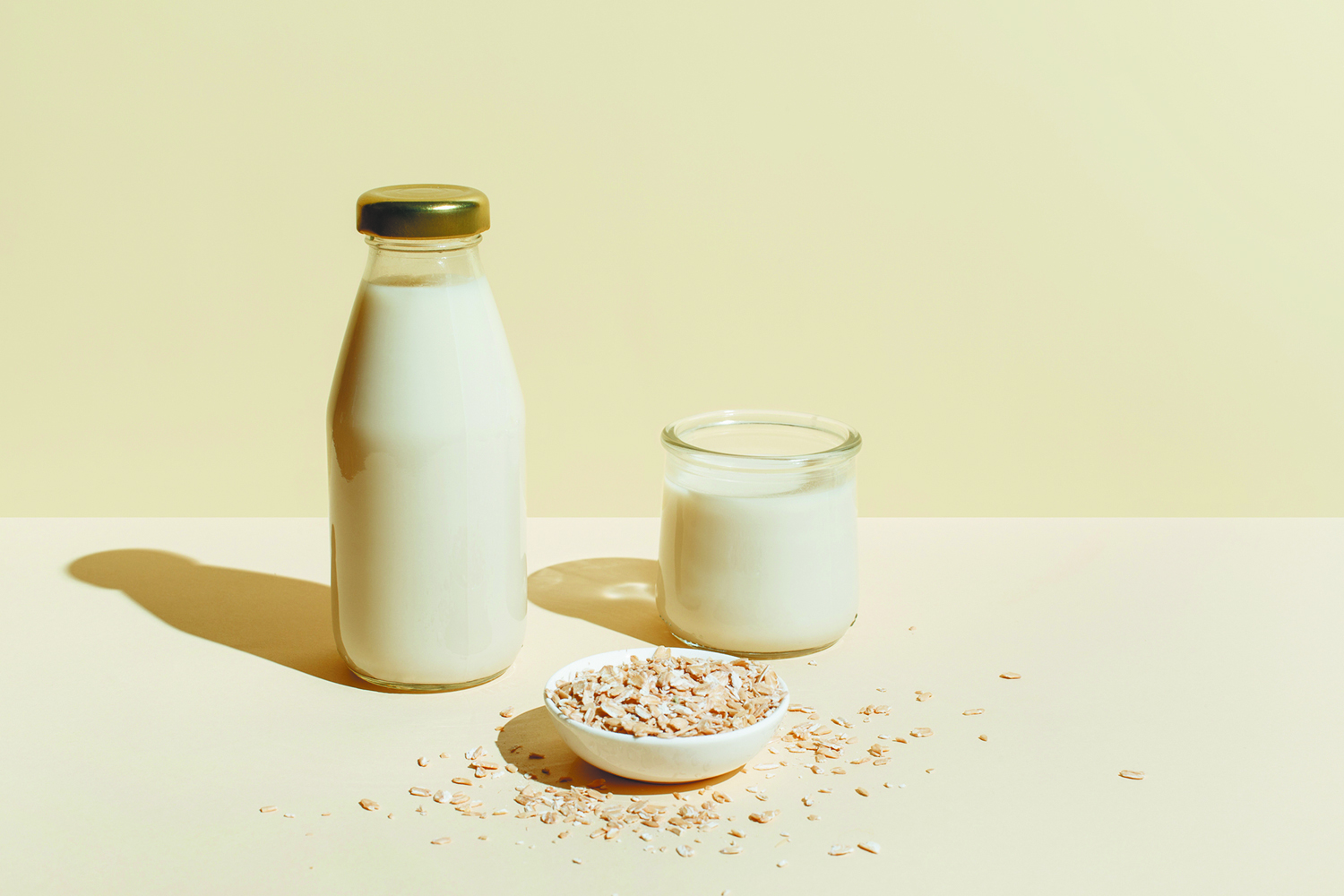
Tipping the plant-based milk trend, oat milk has become a fixture on every supermarket shelf and café and coffee shop menu—and for good reason. Once a niche product found only in specialty health food stores, oat milk is now much more mainstream, thanks to its creamy texture, naturally sweet flavor, and growing reputation as one of the most sustainable and nutritionally well-rounded milk alternatives available.
Oat milk has become a go-to choice for anyone seeking a nutritious, environmentally conscious, and tasty beverage. Its rise in popularity can be attributed not only to taste and texture, but also to the growing awareness of the environmental impact of traditional dairy farming and even some plant-based alternatives.
What Is Oat Milk?
Oat milk is made by blending whole oats (or sometimes oat flour) with water, then straining the mixture to remove the solid residue. What’s left is a smooth, creamy liquid that captures some of the natural sweetness and nutrients of oats.
Some commercial brands use enzymes during processing to break down the oats’ starches into sugars, enhancing the milk’s sweetness without adding extra sugar. The result is a product that not only tastes pleasant on its own but also froths well for lattes, mixes well into smoothies, and works wonderfully in baking or cooking.
Oat Milk vs. Almond Milk…and Others
Nutritionally, oat milk holds its own among dairy and plant-based competitors. Among the many oat milk benefits is its fiber content—typically around 2 grams per cup. That may not sound like much, but it’s significantly more than what you’d find in almond or soy milk (about 1 gram or less), and dairy milk offers none at all. Dietary fiber plays an integral role in supporting digestive health and promoting a feeling of fullness, making oat milk a smart choice for those looking to manage appetite or improve gut health.
In terms of protein, oat milk contains more than many other plant-based options, such as almond or rice milk, but generally less than soy milk and considerably less than traditional dairy milk. A standard cup of oat milk contains about 3 grams of protein, compared with 1 gram in almond milk, 7 to 8 grams in soy milk, and 8 grams in dairy milk.
Sugar content varies depending on whether the oat milk is sweetened. Unsweetened versions generally contain 1 to 2 grams of sugar per cup, while some naturally sweetened varieties may have around 7 grams—a bit less than the 12 grams found in cow’s milk. Consumers should check labels closely, as some flavored or barista-style oat milks can have added sugars, which may add extra calories without additional nutritional benefits.
To make oat milk a closer match to dairy milk in terms of vitamins and minerals, most brands fortify their products. Common added nutrients include calcium, vitamin D, vitamin A, vitamin B12, and riboflavin. These additions make oat milk a solid nutritional choice, especially for people on plant-based diets who may otherwise struggle to get adequate levels of these nutrients.
Other Oat Milk Benefits
Another major selling point of oat milk is its environmental footprint—or rather, its small one. Producing oat milk requires significantly less water than almond milk, which is known for its high-water usage. It emits fewer greenhouse gases versus cow’s milk, and oats can be grown in cooler climates without excessive irrigation or pesticide use.
Oat milk is also considered one of the more sustainable options for those concerned about deforestation, unlike some other plant-based options like soy milk, which can be linked to deforestation in regions like the Amazon. In short, if you’re looking for a milk alternative that’s kinder to the planet, oat milk is one of the best choices.
Choosing the Best Oat Milk
While oat milk is a great option for many, it’s important to be selective. For everyday use—especially if you’re drinking more than just a splash in your coffee—look for unsweetened varieties to minimize added sugars. Additionally, make sure the product is fortified with essential nutrients, particularly calcium and vitamin D, to support bone health.
Homemade oat milk has also gained traction as a cost-effective, customizable option. It’s easy to make at home with just oats, water, and a blender. However, keep in mind that homemade versions typically lack the fortification found in store-bought options, so you may need to supplement those nutrients elsewhere in your diet.
Is Oat Milk Good for You?
Creamy, mild, nutritious, and environmentally friendly, oat milk looks like an all-around winner in the plant-based milk category. Whether you’re vegan, lactose intolerant, environmentally conscious, or simply trying to switch things up, oat milk is a versatile and healthful choice that fits seamlessly into a modern lifestyle.
As always, being a thoughtful consumer is key. By opting for fortified, unsweetened varieties and balancing oat milk with other nutrient-rich foods, you can enjoy all the benefits this plant-based powerhouse has to offer.