What if one simple nutrient could simultaneously sharpen your thinking and protect your heart? Omega-3 fatty acids may be the closest thing we have, and their benefits may extend to boosting your mood, too.
Omega-3s are polyunsaturated fats found in a variety of animal and plant foods, as well as supplements. But exactly what does omega-3 do, and why is it so important?
To help explain omega-3 benefits and how to make sure you get adequate and safe amounts of this essential nutrient, we reached out to Massachusetts General Hospital psychiatrist Olivia Okereke, MD, MS, who has led several large studies of omega-3s.
Omega-3 Basics
Fatty acids are the building blocks of fats, and they serve to protect cells, provide energy, and perform functions such as blood pressure regulation. There are three main types of omega-3 fatty acids: alpha-linolenic acid (ALA), eicosapentaenoic acid (EPA), and docosahexaenoic acid (DHA).
ALA is found in plant-based sources, such as walnuts, flaxseed, and soybean oil. EPA and DHA are mostly found in fatty fish (salmon, mackerel, sardines) and certain other types of seafood. EPA and DHA are crucial for heart and brain health. ALA is known as a precursor, meaning the body can convert small amounts of ALA into EPA and DHA. However, you still need to consume foods that contain EPA and DHA to get adequate amounts, Dr. Okereke says.
She explains that large epidemiologic studies show fairly consistent associations in favor of better mood and cognition with higher intakes of omega-3 foods.
“However, this is not seen as consistently in clinical trials using omega-3 supplements,” Dr. Okereke says. “Another issue is the dose. Data from recent trials and meta-analyses are helping us to understand that the dose needs to be high enough—likely well above the 1 gram (g) or less per day that has been generally used in prior trials. The data also suggest that the composition of omega-3s may matter as well, in order to see a benefit. High doses of EPA, as opposed to DHA, are being studied now for this reason.”
Omega-3 Benefits the Brain
Dr. Okereke also notes that researchers are learning more about omega-3’s beneficial effects on cognition and healthier brain function in key risk groups. She explains that results have been mixed in trials looking at all people who are randomized to omega-3 supplements versus not. However, the findings have been a little more encouraging in studies that probed potential benefits of omega-3s in individuals with a higher risk of cognitive impairment, such as people with elevated genetic risk of Alzheimer’s disease—the gene variant apoE4.
The trials indicate there may be protection of cognition and brain health for high-risk people using omega-3s.
“Also, just as with cardiovascular health, it is likely that omega-3 supplements might provide a layer of brain health protection for those with low dietary intakes of omega-3s,” Dr. Okereke says, referring to people who consume relatively little fish and seafood. “The details of ‘which formulation,’ ‘how high a dose’ and ‘among whom’ when it comes to the use of omega-3 supplements to prevent cognitive decline and dementia among older adults still need to be worked out through rigorous clinical trials.”
Omega-3 Effects on Your Mood
While omega-3s may not be able to replace antidepressant medications and other treatments in the management of major depression, Dr. Okereke says they may be helpful complements.
“When it comes to mood, there is high agreement among experts that omega-3s can be a tool in the treatment of major depression—when used as an adjunctive treatment to antidepressant medications, for example,” she adds. “But when it comes to the question of preventing depression in the first place, that is less clear.”
Even though epidemiological data suggest that people with higher intakes of omega-3s are less likely to develop depression, when Dr. Okereke’s research team led a large trial of omega-3 supplements for depression prevention, they did not reach the same conclusion. “In our study, there was no evidence of benefit of a supplement of omega-3s at 1 g per day to prevent depression in people ages 50 and older,” she says. “That said, as with cognition, we are learning more about key groups where omega-3s may make a difference for mood. For example, people with persistently high inflammation levels may be a particularly important group that can benefit from omega-3s for mood.”
How Much Omega-3 Per Day Is Enough?
ALA, EPA, and DHA are contained in high-omega-3 foods like fish, seafood, nuts, and some oils. Fish/seafood consumption is regarded as a healthful and efficient way to consume and ensure adequate levels of omega-3s, Dr. Okereke says. “Caution is needed, however, regarding avoiding certain fish that are high in omega-3 but also carry a high risk of mercury contamination. For this reason, Atlantic salmon is often a good option.”
The suggested amount to support better cognition is one or more servings per week, where a serving would be a 4-ounce (oz) to 5-oz salmon filet. “That said, there is some evidence, including from our own work, that benefits can be seen even at consuming one fish serving per week,” Dr. Okereke says. “Something is better than nothing in this case.”
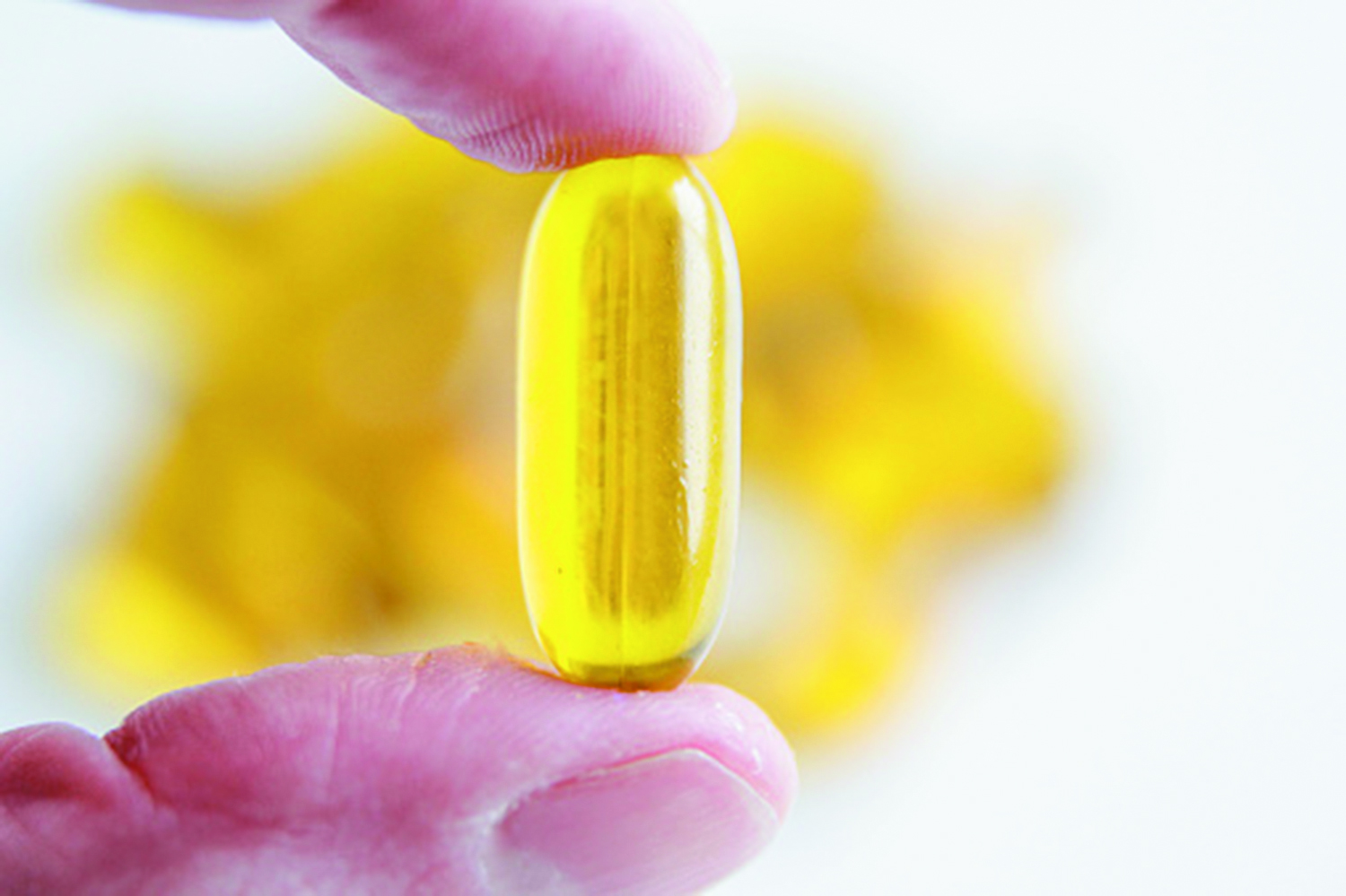
While dietary sources are still the preferred way to consume omega-3 fatty acids, supplements (such as fish oil) may be helpful for some people. Dr. Okereke offers some advice if you are considering omega-3 supplements.
“Always confer with your doctor before starting supplements or making dietary adjustments,” she recommends. “For example, omega-3 could interact with medications people take, such as blood thinners. Just because something is ‘over the counter’ does not mean you can assume it is automatically safe for you.”
Also, you should always check the labels and remember that dose matters. “This is also why it’s important to confer with your doctor/primary care provider first,” Dr. Okereke says. “For example, if omega-3s are being taken for secondary prevention of heart disease, with the added benefit of a potential boost to brain health, over-the-counter supplements with doses of less than 1 g per day of omega-3s—which is not uncommon in many over-the-counter formulations—would be unhelpful for this purpose. At least 1 g/d per day would be needed in that instance. But your doctor would be able to advise on exactly how much to take.”
It’s also important to ask your healthcare provider if an over-the-counter omega-3 supplement is adequate or whether your doctor would recommend a prescription version of the dietary supplement. “Always read all labels and instructions carefully,” Dr. Okereke says. “And always include supplement use in your list of medications. When in doubt, ask your doctor or other health provider for guidance.”