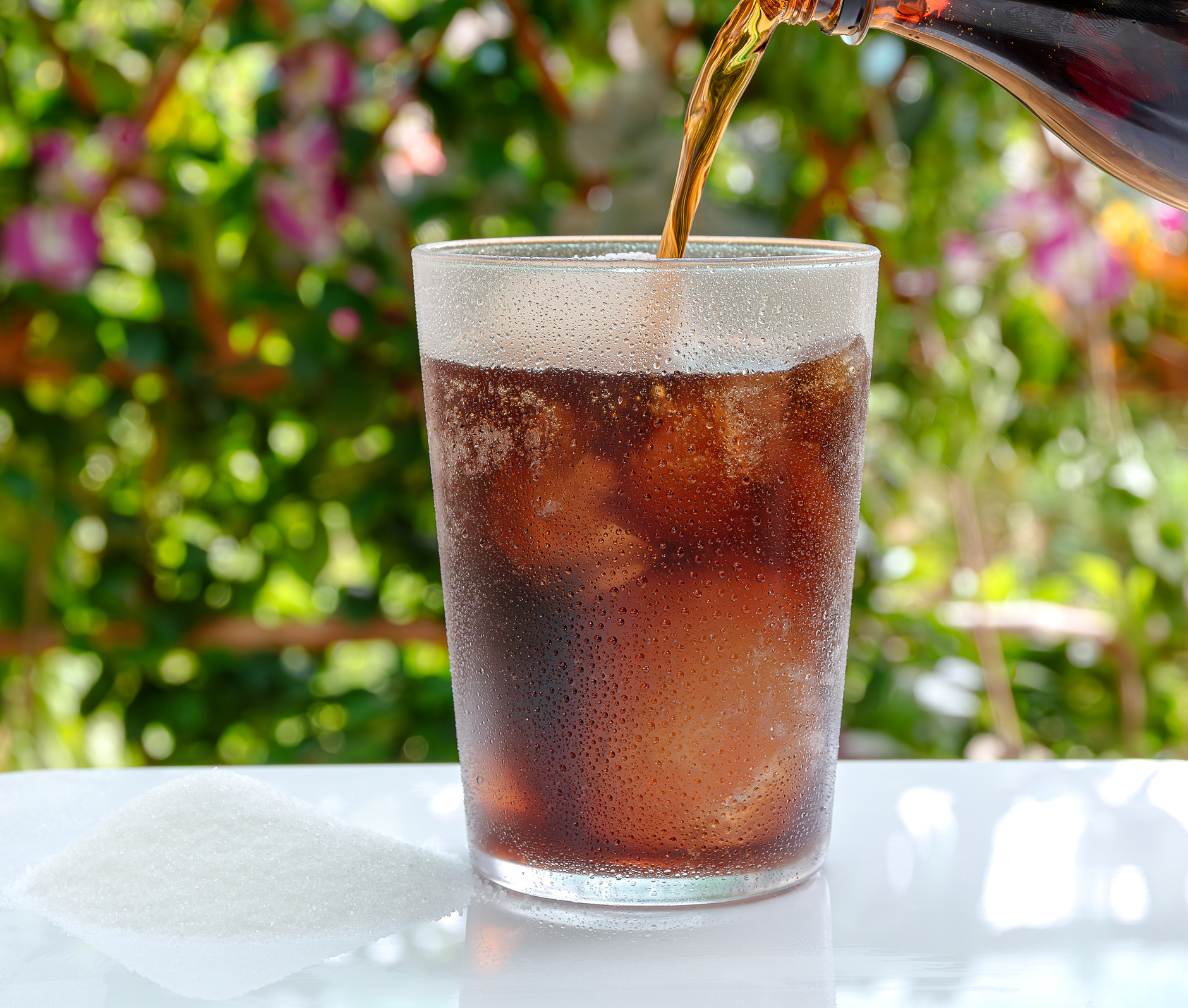
You probably know that neither regular nor diet soda contributes to good health in any way. What’s more, studies show that soda consumption is linked to a list of medical conditions, and many stem from drinking just one soda a day. Just imagine what three, four or more sodas are doing to your body. Perhaps you have tried to stop drinking soda…but you can’t. Does that mean you are addicted to soda?
Bottom Line Personal asked Ashley N. Gearhardt, PhD, director of the Food and Addiction Science and Treatment Lab at University of Michigan, to deconstruct how soda addiction happens and how to stop it.
Is Diet Coke Bad for You?
Sugary beverages like soda have been linked to overweight, poor blood sugar control, high blood pressure and cholesterol, diabetes and heart disease.
You may wonder, then, is diet Coke worse than regular Coke? The answer depends on what metric you’re looking at. Regular sugar-sweetened soda is going to have a more direct effect on diabetes risk…but the chemicals in diet sodas might damage your gut. Diet versions have been found to increase hunger and disrupt metabolism, so it’s also not a question of which is healthier—Coke Zero or Diet Coke, to single out the most popular brands—they are all equally unhealthy.
Some health risks are elevated by both regular and diet sodas. A British study found 10% higher risk for atrial fibrillation among people who drank two liters or more per week (about 67 ounces) of sugar-sweetened beverages…and a 20% higher risk among those who said they drank similar amounts of artificially sweetened drinks.
There also are other serious concerns about diet sodas. A French study found that people who consumed significant amounts of artificial sweeteners, such as aspartame, acesulfame potassium and sucralose, had 18% higher risk for stroke and cerebrovascular incidents and 9% higher risk for cardiovascular disease, leading researchers to conclude that they should not be considered healthy and safe alternatives to sugar. Most recently, University of Colorado Boulder researchers looked specifically at the artificial sweetener erythritol (common in sugar-free varieties of ice cream, candy, gum, cookies, cakes, protein bars and fruit spreads) and found links to brain cell damage along with increased stroke risk.
One of the most underreported issues is that diet sodas impact not just physical health but also mental health by causing inflammation and disrupting the gut microbiome. Researchers from Harvard found that a high intake of ultra-processed foods, particularly those that include artificial sweeteners, and artificially sweetened beverages is linked to an increased risk for depression. These studies should put an end to the question, “Is Diet Coke healthy?”
The soda industry’s claims that non-sugar versions are safe stems from a lack of research data rather than clear evidence of safety. Reality: The further away you get from foods that come from nature, the more you should approach them with skepticism because they probably haven’t been adequately safety tested.
The Pull of Soda Addition
The brain’s reward and motivation system, which all addictive drugs hijack, was originally set up to make sure our ancestors ate enough food. It’s hyper-tuned to the taste of sweet, and it gets dysregulated when we deliver sweet in a potent package, especially a combination of non-sugar sweeteners and caffeine, which probably increase the hedonic pull, regardless of brand.
Soda addiction is very similar to cigarette addiction—almost all cigarettes deliver the same amount of nicotine, yet smokers become loyal to a particular brand because they get attached to other aspects of their nicotine delivery vehicle, such as flavor cues and even colors. Sodas, especially those with non-sugar sweeteners, have been curated with flavor additives, acids, bubbles and fizz. Result: The same way some people might crave Lucky Strikes or Marlboros, those with soda addiction crave their Diet Coke, Diet Pepsi, Mountain Dew and Dr. Pepper.
As with any addictive substance, your body develops a tolerance, so over time you need more soda to get the same impact. You progress from one soda a day to three or four…or more. If you skip a “dose”—maybe you’re in a meeting at the time you usually have a soda break—you’ll quickly start to have withdrawal syndromes such as headaches, agitation and/or irritability.
How to Stop a Soda Addiction
It usually takes about two weeks to drive down cravings and desires, so you need a strategy similar to dry January for reducing alcohol. The first three to five days typically are the hardest, so you’ll want to have alternative rewards and reinforcements planned. Here are more specifics…
Spend time journaling before you quit
Know your cues and triggers—emotions, times of day, associations such as having a soda when you eat pizza. Use this information to plan your strategies. Example: If watching TV while sitting on your couch at night is a soda trigger, switch to another room or another time.
Get social support
Most people do better when recovering from addiction if they have social support. It could be as simple as banding together with a few friends to quit.
Use distraction techniques
When you’re in the middle of an intense craving, occupy your mind by playing Tetris on your phone or working on a puzzle.
Have alternative substances at the ready
Chewing gum with a minty burst can help when you get a craving. A replacement drink such as sparkling water with a splash of pomegranate juice also can be satisfying.
Try urge surfing
People typically give into a craving when it is hitting its peak. Since most cravings last for only a few minutes, try to surf through the urge, acknowledging that it will surge like a wave and then dissipate.
Reward yourself in other ways
Every day you go without a soda, put $5 in a jar to spend on something pleasurable. Low and slow rewards—the opposite of instant gratification—are especially good. Try socializing…reading a book…going for a walk…and, best of all, listening to music, which activates reward systems in the brain and engages your senses.
Beware of alternative sodas with unsubstantiated health claims
There’s really no such thing as a good soda. The makers of Poppi, a soda that includes probiotics, recently agreed to an $8.9 million settlement for a class-action lawsuit over allegedly false advertising that its products provide gut health benefits.
Keep in mind that there will be times when you’re really stressed or in a cued environment that might trigger you, like being on vacation. If you have a lapse, don’t berate yourself. Instead analyze what triggered it. That introspection can help you prevent another one.