
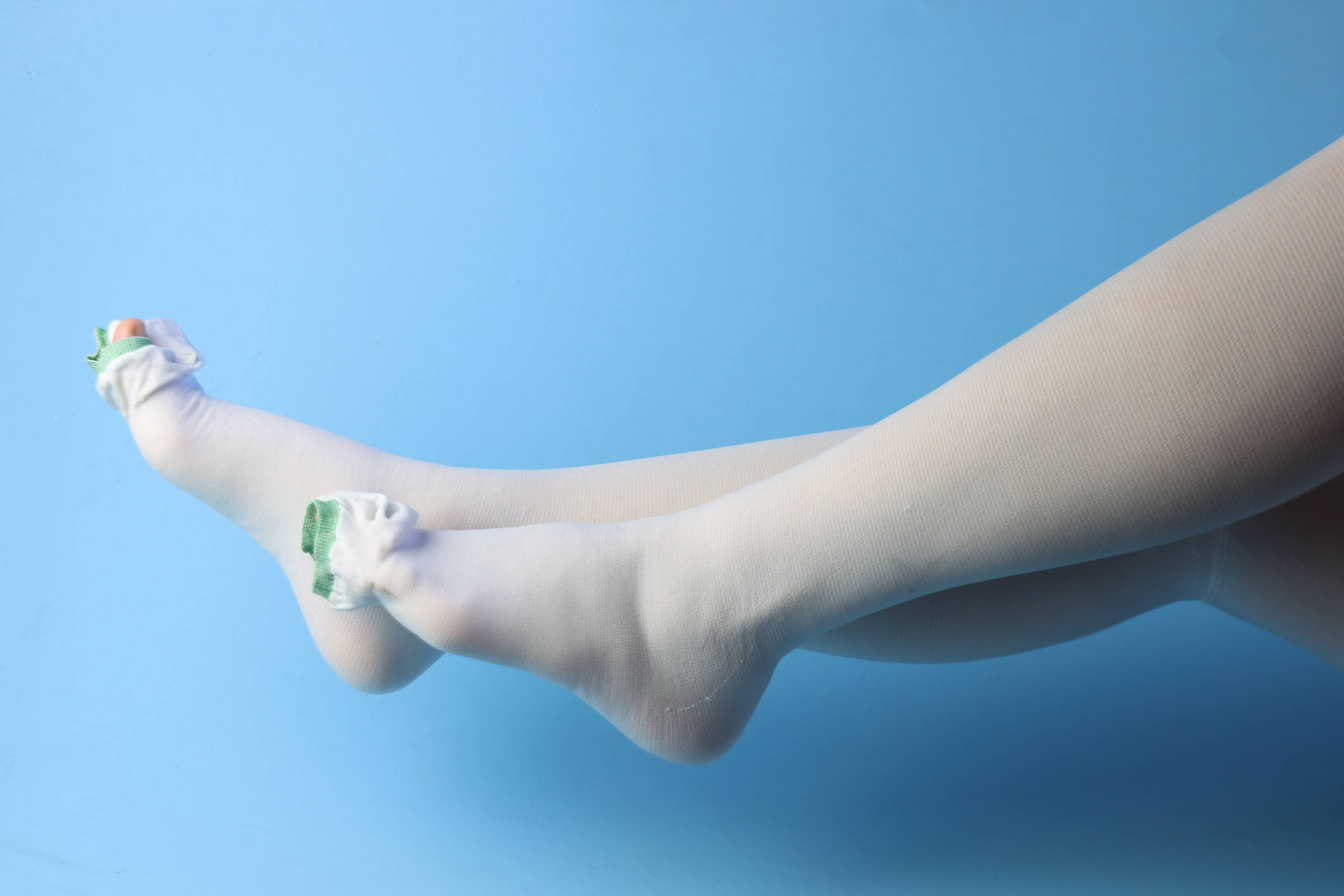
Doctors often prescribe compression stockings to promote circulation in the legs. Even without a prescription, ordinary people often wear them for support and exercise recovery.
Bottom Line Personal asked vascular surgeon William Shutze, MD, of Texas Vascular Associates about the benefits of compression socks…
What do compression stockings do?
These stockings squeeze the limbs circumferentially to decrease the amount of blood in our veins, prevent pooling and augment the lymphatic flow back up to our hearts. They also support muscles, tendons and joints.
Our leg veins have to fight gravity to move blood back up to our hearts. One-way valves in the veins help, as do the contractions of muscles when we walk. But as we age and lose muscle, those valves become less efficient. Instead of rising straight up, the blood moves back and forth locally, potentially distending the veins and causing aching, cramps, dry skin, infections and painful ulcers. Compressing the veins keeps them smaller and helps the valves close more efficiently.
Who should wear compression stockings?
Just about anybody can wear them—you don’t need a prescription for non-medical-grade compression stockings. They help to prevent deterioration of the veins…especially if your job requires prolonged standing. You can start wearing compression stockings while you’re relatively young, even in your teens. They are especially helpful for teens who are overweight or need help recovering after playing sports. It’s also smart to wear them on transcontinental or transoceanic flights. On long flights, the prolonged sitting and inactivity can lead to blood pooling in the veins of the legs. This aggravates the lining of the veins and, combined with any dehydration, leads to blood clots. Compression stockings prevent pooling of blood and dehydration because the fluid stays within the circulatory system and doesn’t escape into the tissues of the feet, ankles and lower legs and cause swelling.
Doctors prescribe “graduated” compression stockings for people who have leg swelling and edema (swelling caused by fluid buildup), fluid retention, mobility issues, varicose veins, chronic venous insufficiency and lymphedema (localized swelling caused by an accumulation of lymph fluid). Fluid retention can be caused by many conditions, including heart failure, and by certain medications, especially calcium channel blockers prescribed to lower blood pressure. “Graduated” means the stockings are tightest at the toe and gradually decrease in pressure as they rise up the leg.
Can wearing compression stockings be dangerous?
Yes, but typically not when used appropriately. Today’s compression stockings are almost all made of nylon, not rubber, so there’s little risk of chafing or skin issues, except among people with existing skin problems.
Another exception is patients with peripheral vascular disease, a condition in which blood vessels outside the heart and brain are narrowed or blocked. For them, compression can dangerously reduce arterial blood flow. People with peripheral vascular disease should wear compression stockings only after consulting with a vascular surgeon.
Guidelines for buying and wearing compression stockings
Buy only from a certified manufacturer, ideally one with authorized local dealers. Each manufacturer has a website with a list of certified dealers. Ordering online is fine for non-medical applications, so long as the vendor is reputable. For medical uses, start with your primary doctor, who might refer you to a vascular surgeon.
Make sure they fit properly. Work with a certified dealer to ensure that your compression stockings fit appropriately. Too small, and you won’t use them…too large, and they won’t do their job.
Hand-wash and hang-dry your stockings after each use. Buy at least two pairs so you can alternate. Discard them after six to 12 months depending on how heavily they’ve been used. People often mistakenly believe their stockings are still working long after they’ve outlived their usefulness.
Take the compression stockings off if you experience chafing, sores, numbness, tingling, worsening skin lesions, infection or pain.
