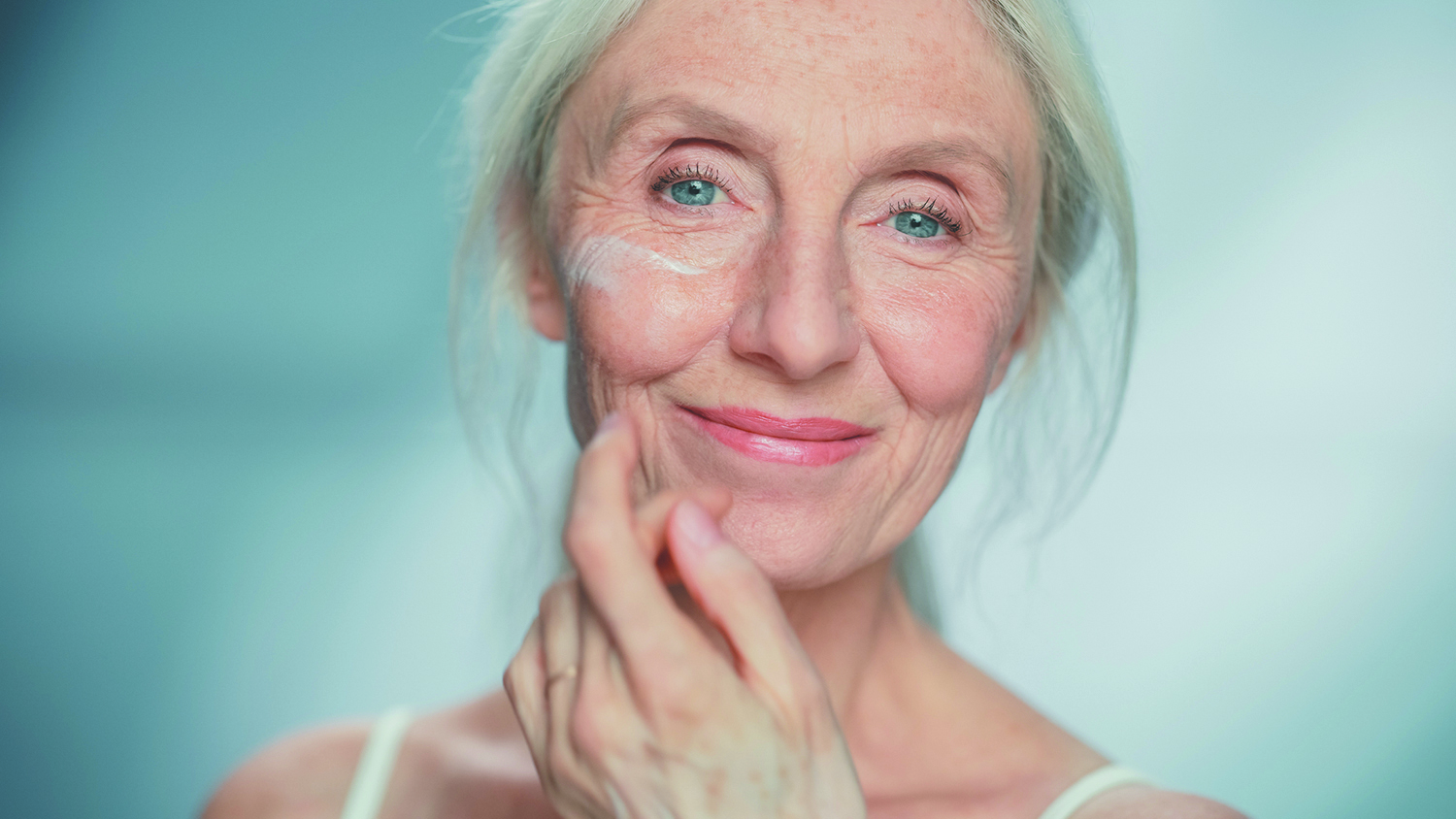
One of the most obvious signs that you are getting older is changes in your skin: fine lines, wrinkles and loss of volume. It’s time to focus on anti-aging skin care.
If you are bothered by aging skin, you might explore the numerous skin creams that purportedly can turn back the clock. Just keep in mind that even the best wrinkle cream can’t provide a facelift in a jar, and the best anti-aging skin care regimen may include more than one kind of treatment.
Why Skin Ages
Mount Sinai dermatologist Helen He, MD, says that as we age, the face naturally undergoes structural changes, including a gradual loss of volume and depletion of two vital skin proteins: collagen and elastin.
“These changes lead to skin sagging, hollowing, loss of elasticity, and more prominent lines and wrinkles that can make the face appear older than we would like,” she says. “Even the cells in our skin change as we age—they stop dividing, accumulate damage, and lose the ability to repair that damage.” She adds that sun exposure is a major factor in this process because the sun’s rays deliver a dose of ultraviolet radiation that damages collagen and elastin and may cause dark spots to develop.
Skin aging also is exacerbated by smoking, which narrows the blood vessels in the outer layers of the skin, robs the skin of vital antioxidants, and accelerates cell aging. “Plus, the habit of squinting to avoid the smoke from a cigarette going into your eyes may exacerbate crow’s feet lines around the eyes, while pursing the lips to grip a cigarette may contribute to lines around the lips,” Dr. He notes.
Find the Best Moisturizer for Aging Skin
Anti-aging skin care regimens typically include moisturizers. Most facial moisturizers contain some combination of humectants, emollients, occlusives, peptides, alpha-hydroxy acids (AHAs), beta-hydroxy acids (BHAs), antioxidants, and retinoids. “While these ingredients are helpful, their effects are temporary, requiring consistent usage for long-term benefits,” Dr. He says.
- Humectants draw moisture into the skin from both deeper tissues and the atmosphere. “This causes the skin to plump up a little, which can help to smooth out fine lines,” says Dr. He.
- Emollients fill in the gaps between skin cells, making the skin smoother and softer.
- Occlusives form a physical barrier to trap moisture in the skin, preventing water from evaporating off the surface of the skin.
- Collagen also may hydrate the skin. “However, don’t be misled by product labels claiming that a face cream or face mask can replace the collagen that is lost through aging,” Dr. He says. “Including collagen as an ingredient won’t add collagen to the skin, because collagen molecules are too large to pass through the skin’s outer layer.”
- Peptides are a newer ingredient in topical skin care products, and some studies suggest that these mini-proteins may stimulate new collagen formation.
- AHAs and BHAs may help improve the appearance of your skin by sloughing off dead skin cells to clear the surface skin.
- Antioxidants combat the damage to skin cells that occurs with age. “They may protect the skin from the effects of external stressors like sunlight and pollution,” Dr. He explains.
- Retinoids are vitamin A derivatives that boost skin cell turnover, making way for new cell growth underneath. Two widely used retinoids—tretinoin and tazarotene—are prescription only, but some over-the-counter creams contain a lower-strength retinoid (typically listed as retinol). “Prescription retinoids are more potent and effective than over-the-counter retinol, but if you have sensitive skin, retinol may be less irritating,” Dr. He says. If you experience redness and dryness of the skin from retinoids, using the product every second day can help.
Other Options for an Anti-Aging Skin Care Routine
If you aren’t satisfied with the results you see from using creams and lotions, consider these other choices.
- Botulinum neurotoxin (Botox, Dysport, Xeomin, Jeuveau, Daxxify, Letybo) is derived from the bacteria that cause botulism. “When injected in minute amounts into specific muscles, botulinum neurotoxin reduces the strength of muscle contractions that can cause some fine lines,” Dr. He explains. “Regular treatments can prevent new lines from forming and reduce the appearance of existing lines, particularly on the forehead and around the eyes.”
- Fillers can help with deeper lines and creases, particularly those running from the sides of the nose to the corners of the mouth. “They are injected under the skin to replace the volume that is lost through aging,” Dr. He explains. The most commonly used fillers contain a synthetic version of hyaluronic acid, a sugar molecule present in body tissues that helps the skin retain moisture. Options include Juvederm, Restylane and RHA. “There also are biostimulatory fillers that stimulate the body to generate new collagen, leading to longer-lasting restoration of firmness and structure,” Dr. He adds. Some examples include calcium hydroxyapatite (Radiesse) and poly-L-lactic acid (Sculptra).
- Energy-based options, including lasers that deliver energy to the skin in a controlled way that stimulates the body’s natural repair process to build new collagen and elastin. “This improves skin texture, smoothness, and firmness, and diminishes the appearance of fine lines and wrinkles,” Dr. He says. “There are many different types of lasers available that can be tailored to the individual and used to target specific skin concerns, such as sun damage, dark spots, uneven skin tone, redness, scarring, and more. There also are other energy-based devices that use radiofrequency or ultrasound technology to tighten, firm, and lift the skin.”
Consult an Expert About Anti-Aging Skin Care
Dr. He emphasizes the importance of consulting an experienced cosmetic dermatologist if you are considering using botulinum neurotoxin, dermal fillers, or energy-based devices—and be prepared for an ongoing commitment.
“The effects of botulinum neurotoxin typically last three to six months, although regular use can weaken the muscles to allow for less frequent treatments or lower doses per treatment,” she notes. “Fillers typically last between six months and two years, depending on the choice of filler, the amount injected, and how quickly your body metabolizes the filler. Some lasers may require just one or two treatments a year for maintenance, while others may need multiple sessions annually, depending on their individual goals and the type of device used.”
Above all, work with your dermatologist on the best anti-aging skin care routine for you. “Together, you can create a personalized plan tailored to your skin’s needs and goals,” says Dr. He.