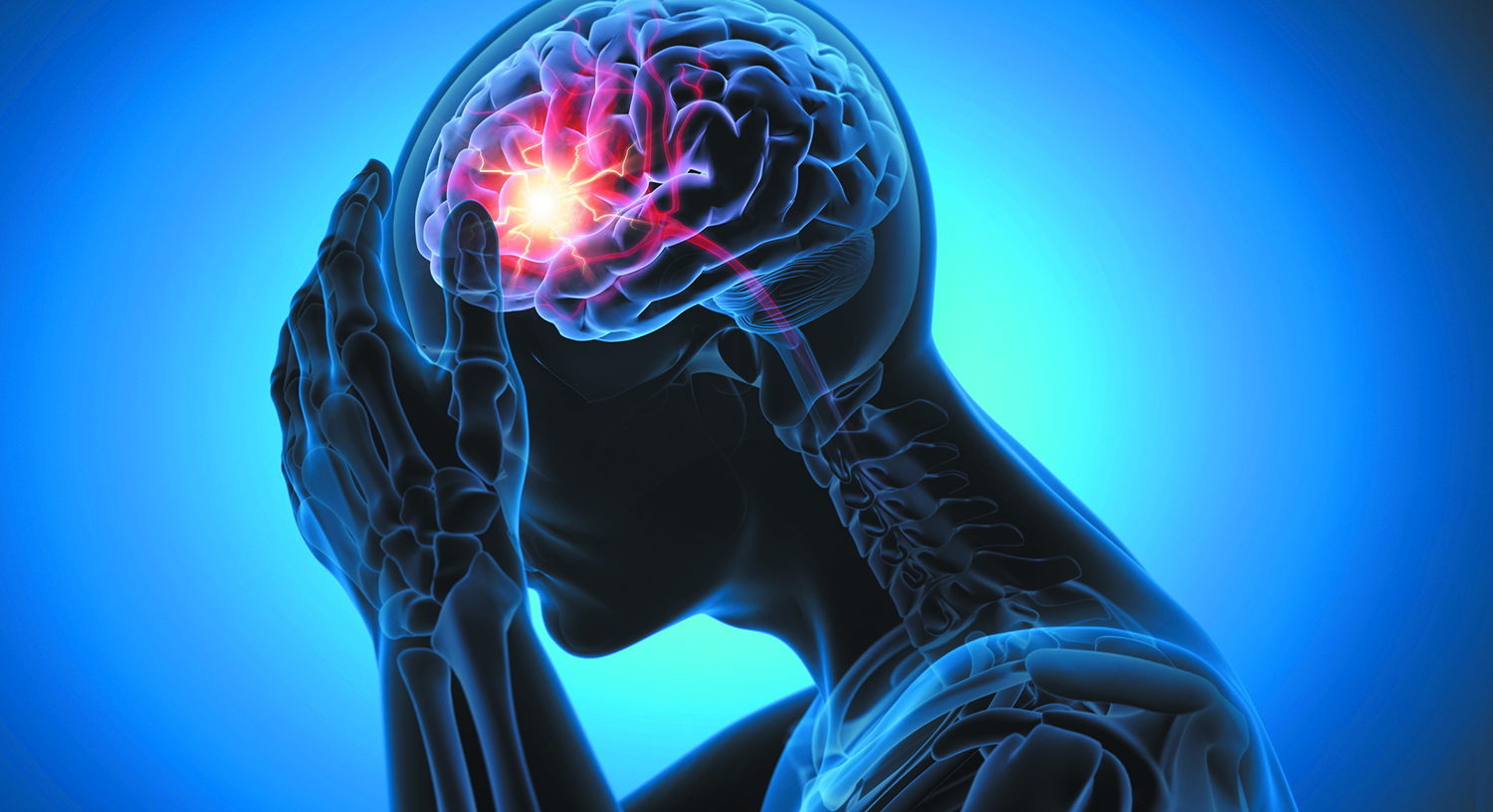
A transient ischemic attack (TIA), by definition, is characterized by stroke symptoms that appear suddenly and pass relatively quickly.
However, TIAs may not be so transient after all. Not only does a TIA increase your short-term risk of an ischemic stroke, but that risk may remain elevated for as much as a decade, according to recent research. Other new data suggest that TIAs can have prolonged and profound effects on your cognition and energy level.
“There’s been a growing trend in the vascular neurology community that having a TIA could lead to microvascular disease that we’re just not picking up,” says A. Blake Buletko, a Cleveland Clinic stroke specialist. “Studies have reported that maybe there’s some damage being done on a smaller scale that adds up over time.”
Widely referred to as a “mini-stroke,” a TIA is not “mini” by any means, nor is it something to dismiss. If you have symptoms consistent with a TIA, undergo an evaluation by a neurology professional to ascertain what caused them, and take action to reduce your risk moving forward.
Don’t Disregard TIA Symptoms
An ischemic stroke (the most common type) occurs when an artery supplying blood to part of the brain is blocked by a blood clot or accumulation of fatty plaque. Deprived of nourishing blood, the part of the brain supplied by that artery begins to die and can be permanently damaged if blood flow isn’t restored.
In a TIA, the blood flow is halted temporarily. Still, this interruption causes the same symptoms that occur with stroke, but they usually resolve within two to 15 minutes, although by definition, they may last up to 24 hours. Regardless, it’s important to recognize the warning signs and seek immediate help (see “TIA and Stroke Symptoms”).
“It’s easy for people who are experiencing symptoms that are so transient to ignore them, especially if the symptoms aren’t severe,” Dr. Buletko says. “People know the symptoms went away, so then they don’t seek medical attention.”
Lingering Effects of TIA
The symptoms of a TIA may be transient, but its other effects are not. The American Stroke Association notes that nearly one in five of the roughly 240,000 Americans who experience a transient ischemic attack annually will suffer an ischemic stroke within 90 days.
In a recent meta-analysis of 38 studies involving a total of 171,068 people who had a TIA or minor stroke, 12.5% experienced a larger stroke within five years, and nearly 20% suffered one within 10 years (JAMA, May 6, 2025).
Cognitive impairment is common after an ischemic stroke, and it may occur after TIA, as well. Recently, researchers compared cognitive outcomes among 356 people with a first-time TIA, 965 individuals with stroke and a control group of 14,882 people who experienced neither event. The investigators reported that participants with TIA had an annual rate of cognitive decline that was faster than the control group’s but on par with that of the stroke participants (JAMA Neurology, online Feb. 10, 2025).
Another study found that among 354 people who had a TIA, 61% had significant fatigue two weeks later, and 54% continued to experience it up to a year later (Neurology, June 10, 2025).
“I think the transient portion of TIA is the acute symptoms, but what’s not so transient is that there may be some permanent damage that’s being done,” Dr. Buletko says. “There are clearly some lingering effects of TIA.”
TIA Follow-Up Care
After an initial emergency room visit for a TIA, Dr. Buletko recommends following up with a stroke specialist within a week or two to make sure the symptoms were from a TIA and not another condition that can cause transient sensory symptoms and mimic a TIA, such as migraines, seizures, spinal cord issues or peripheral neuropathy.
The specialist will assess your risk of a subsequent stroke (see “ABCDs of Stroke Risk”) and recommend medications to lower that risk. That regimen may include aspirin and/or another antiplatelet drug, such as clopidogrel (Plavix®), medications to manage your cholesterol, blood pressure and blood sugar and an anticoagulant medication if the blood clot that caused the TIA was due to atrial fibrillation (a common cause of stroke).
With the help of your healthcare team, reduce your likelihood of having an initial or subsequent TIA or stroke by optimizing your blood pressure, weight, lipids and blood sugar, adhering to a healthful diet, getting regular exercise, not smoking, limiting or avoiding alcohol, and developing strategies to improve your sleep and minimize stress.
By staying vigilant, you can prevent another TIA or an ischemic stroke and the serious consequences that follow.
“If you are diagnosed with a TIA, seek an opinion from a vascular specialist or neurologist about whether you have an accurate diagnosis and the appropriate follow-up,” Dr. Buletko advises. “Lifelong, it’s going to be extremely important to focus on secondary prevention because even if this truly was transient, it’s a significant warning sign that you are more susceptible to having another stroke or TIA moving forward.”
Medical experts recommend using the BE-FAST mnemonic to identify symptoms of a TIA or ischemic stroke. BE-FAST stands for:
Balance: Problems with balance or coordination
Eyesight: Blurred or double vision; sudden loss of vision in one or both eyes
Face: Sudden drooping, weakness or numbness in the face
Arm: Weakness or numbness in the arm, especially on one side of the body
Speech: Sudden loss of speech, slurred speech or trouble speaking simple sentences or understand what people are saying to you
Time: Call 911 immediately if you have symptoms
ABCDs of Stroke Risk
Many physicians use the ABCD2 score to predict a person’s risk of stroke two days and up to 90 days after a TIA.
| RISK FACTOR | POINTS | SCORE |
| Age: 60 or higher | 1 | |
| Blood pressure: systolic ≥140 mmHg or diastolic ≥90 mmHg | 1 | |
| Clinical features
One-side weakness with or without speech problems OR Speech problems without one-side weakness |
2 1 |
|
| Duration
> 60 minutes 10–59 minutes |
2 1 |
|
| Diabetes | 1 | |
| TOTAL SCORE | 0–7 |
Scores: < 4 points = low stroke risk | 4–5 points = moderate risk | > 5 points = high risk